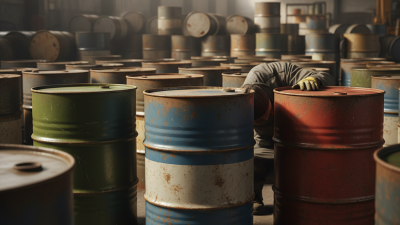
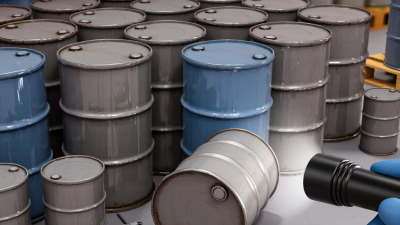
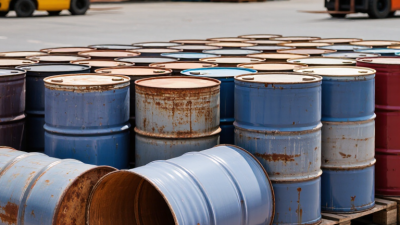
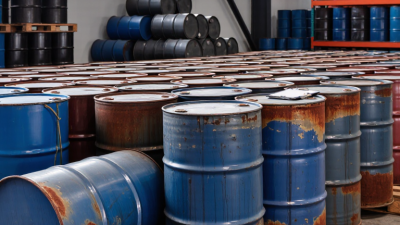
China’s used iron drum market attracts global buyers seeking practical storage and transport solutions at wholesale prices. A used iron drum for sale can look inexpensive, yet its real value depends on condition, capacity, coating, and traceable inspection records. Price alone is not enough.
David Chen, an industrial packaging consultant with more than 15 years of reuse-sector experience, says, “A low price matters only when the drum’s condition is clearly documented.” His observation reflects a common purchasing mistake. Buyers may focus on the listed price while overlooking dents, rust, damaged seams, or weak closures. Those details can increase handling costs later.
Reliable Chinese suppliers usually provide photos, dimensions, wall thickness, closure types, and loading information. Some offer reconditioned drums with cleaned interiors and refreshed exteriors. Others sell drums in their existing condition. The difference should be written clearly. Ask whether the drum previously held non-hazardous materials, and request suitable documentation before placing an order.
Wholesale quotations often vary with order volume, port location, customization, and seasonal steel prices. A container loaded efficiently may reduce the unit cost. However, shipping damage and unsuitable stacking can erase that saving. Small mistakes happen. Even experienced buyers should recheck measurements.
This guide examines China’s wholesale market, supplier evaluation, quality indicators, and realistic pricing factors. It also considers responsible reuse and applicable local requirements. The goal is not to promise the cheapest drum. It is to help buyers choose a dependable product with fewer surprises.
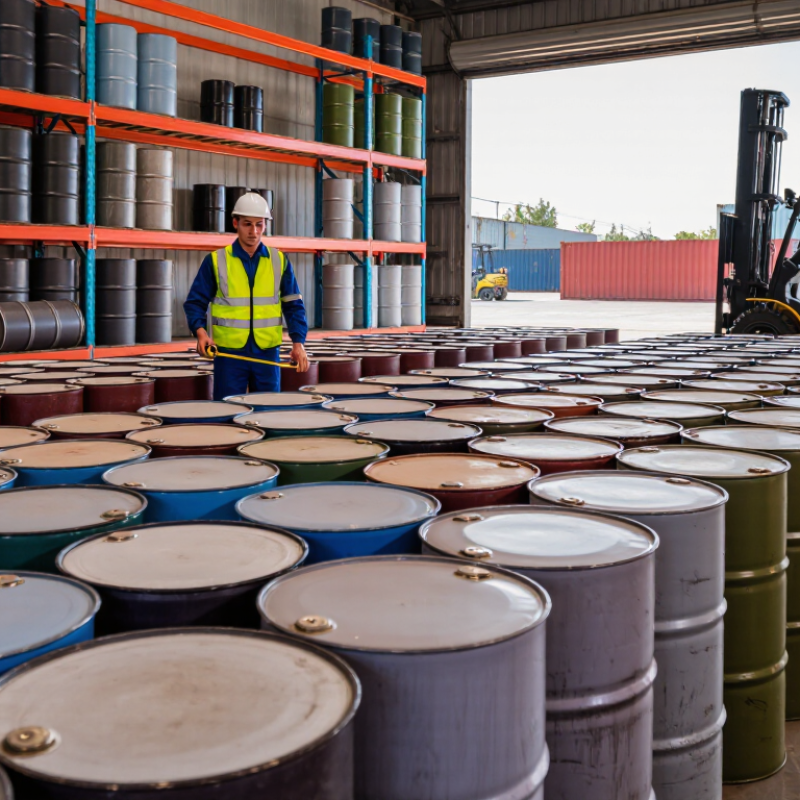
Used iron drums are usually steel drums made from carbon steel, not pure iron. They store and transport liquids, powders, and industrial materials. In wholesale markets, sellers commonly classify them by capacity, closure type, surface condition, and previous use.
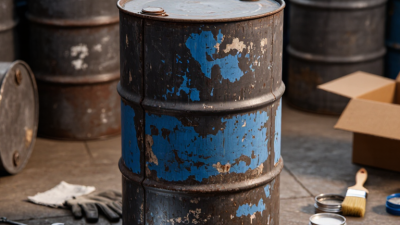
A practical classification includes reusable, reconditioned, and scrap grades. Reusable drums have sound seams, stable bottoms, readable markings, and limited corrosion. Reconditioned drums may be washed, inspected, repainted, and fitted with new closures. Scrap drums show severe rust, deformation, leaking seams, or uncertain history. Their metal value matters more than their container function. The boundary is sometimes fuzzy. A clean exterior does not prove safe internal condition. Previous contents must be documented before any reuse.
Material recovery also supports this market. The World Steel Association reports that about 680 million tonnes of steel are recycled globally each year. The Global Resources Outlook 2024 warns that material extraction could rise by 60% by 2060 without stronger circular practices. These figures explain why used drum trading can reduce material demand, but quality control remains essential.
Tip: Ask for wall-thickness checks, photos of the inner surface, closure details, and cleaning records. Confirm capacity in litres, not visual size. Avoid drums with unknown contents. Wholesale pricing should follow grade, inspection results, transport distance, and processing costs, rather than paint color alone.
| Classification Dimension | Common Specification | Typical Condition | Closure Type | Common Reuse or Application | Indicative Wholesale Price (USD per Unit) |
Key Purchasing Notes |
|---|---|---|---|---|---|---|
| Small Steel Drum | 30–60 L capacity; compact cylindrical body | Used, cleaned, with light cosmetic wear | Open-head or bolt-ring closure | Lubricants, maintenance materials, workshop storage, and non-hazardous liquids | $3–$10 | Confirm internal cleanliness, dents, rust level, and whether the drum is suitable for liquid storage. |
| Medium Steel Drum | 100–160 L capacity | Reconditioned or serviceable used condition | Open-head or tight-head closure | Industrial powders, oils, chemicals, and general material handling | $6–$16 | The price depends on wall thickness, coating condition, closure integrity, and quantity ordered. |
| Standard 200 L / 55 gal Drum | Approximately 200–210 L; the most common industrial size | Used, inspected, and cleaned; may show minor dents | Open-head with removable cover or tight-head with fixed top | Industrial oils, lubricants, dry goods, waste collection, and non-food applications | $8–$22 | A 200 L drum is commonly selected for bulk handling, but usable capacity and legal transport requirements must be checked. |
| Reconditioned Steel Drum | Usually 200–210 L; mechanically tested and refurbished | Washed, inspected, repainted or recoated, and leak-tested | Open-head or tight-head closure | Industrial liquids, oils, powders, and approved non-food products | $15–$35 | Reconditioning normally improves appearance and serviceability; request inspection records when the contents are regulated. |
| Open-Head Drum | Commonly 60 L, 120 L, or 200 L | Used or reconditioned; full top can be removed | Removable lid secured by a bolt ring or lever-lock ring | Solids, powders, viscous products, waste, and easy-loading materials | $8–$25 | Provides easier filling and cleaning, but the gasket and locking ring should be checked for a secure seal. |
| Tight-Head Drum | Commonly 200–210 L; permanently closed top | Used, cleaned, and suitable for controlled liquid handling | Two small threaded bung openings with plugs | Oils, solvents, water-based liquids, and other compatible fluids | $8–$24 | Inspect bung threads, plugs, gaskets, and internal residue before purchasing for liquid service. |
| Plain Carbon-Steel Drum | Typically 200–210 L; unlined or lightly coated | Used with surface wear or minor external oxidation | Open-head or tight-head | Dry materials, scrap collection, general industrial storage, and compatible oils | $6–$18 | Carbon steel can corrode; it is not automatically suitable for water, corrosive chemicals, food, or pharmaceutical products. |
| Lined or Coated Steel Drum | Usually 200–210 L with an internal protective lining | Used or reconditioned; lining must remain intact | Open-head or tight-head | Products that may react with bare steel, subject to chemical compatibility | $12–$32 | Check the lining for peeling, pinholes, blistering, and chemical compatibility with the intended contents. |
| Salvage or Utility Drum | Commonly 200 L or larger, depending on use | Heavily used; may have dents, paint loss, or surface rust | Usually removable-lid or reinforced closure | Secondary containment, workshop use, scrap, and non-critical storage | $3–$12 | Best for non-critical applications; do not assume that a low-priced drum is leak-proof or certified for hazardous materials. |
| UN-Performance-Marked Used Drum | Often 60 L or 200–210 L, subject to the original certification | Used and inspected; marking must be legible and applicable | Open-head or tight-head | Regulated transport or storage only when permitted by current regulations | $18–$45 | A visible UN marking does not guarantee current certification. Verify the marking, packaging group, closure instructions, and inspection status. |