What Is a Used Iron Drum for Sale and Where to Buy One

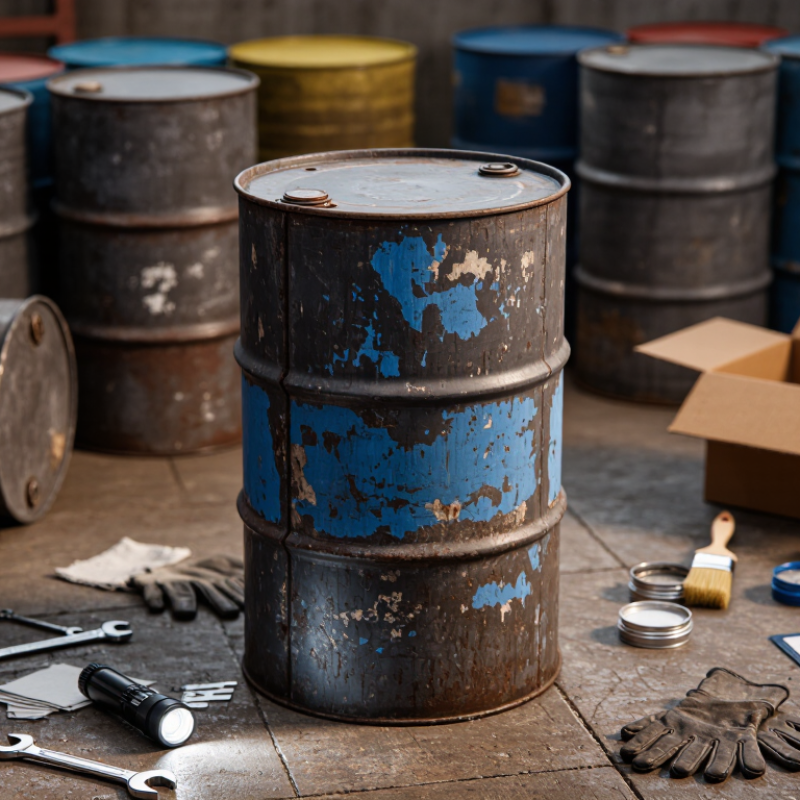
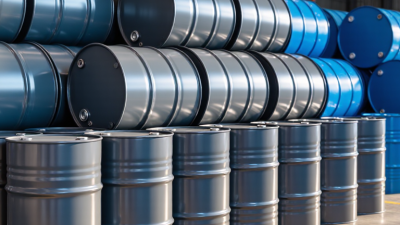
A used iron drum for sale can be a practical choice for storage, workshop projects, and industrial handling. These drums commonly hold 30 or 55 gallons. Some have tight removable lids, while others use sealed tops with standard openings. Their condition can vary sharply. One may show light surface rust and clean seams. Another may carry dents, peeling paint, or an unknown previous lining.

Drum-reconditioning specialist Lena Ortiz offers a useful warning: “A low price means little when the drum’s history is unclear.” Her point deserves attention. Buyers should ask what the drum previously contained, whether it was professionally cleaned, and if the interior coating remains intact. A quick inspection should include the lid, bung threads, welds, base ring, and sidewalls. Look closely.

Reliable places to buy a used iron drum for sale include certified reconditioners, industrial surplus suppliers, agricultural equipment dealers, and established online marketplaces. Reconditioned drums usually provide clearer specifications than casually listed containers. Ask for recent photographs, capacity details, shipping terms, and written condition notes. A seller who avoids simple questions may not be dependable.

This guide explains how used iron drums are classified, priced, inspected, and purchased. It also considers practical differences between open-head and closed-head designs. Not every drum suits every task. Food, drinking water, and sensitive materials require containers approved for those specific uses. That detail is easy to overlook. I have found that buyers often focus on appearance first, then discover the real cost of cleaning, transport, or replacement parts. Careful checking is slower, but usually cheaper.

What Is a Used Iron Drum for Sale and Where to Buy One

What Is a Used Iron Drum for Sale?

A used iron drum for sale is usually a secondhand steel container for storage, transport, or workshop use. In everyday trade, “iron drum” often means a carbon-steel drum, not pure iron. Common capacities include about 55 gallons or 200 liters, but measurements vary. The body may have a removable lid or a sealed top. Some drums also contain an internal lining. That detail matters.

Before buying, inspect the rim, seams, base, and lifting rings. Look for deep rust, sharp dents, pinholes, and peeling coatings. A bright exterior can mislead. Ask for the drum’s previous contents, cleaning method, capacity, closure type, and latest leak-test information. If those records are missing, consider its history uncertain. I have seen buyers focus on price and overlook a damaged gasket. That mistake can make a cheap drum expensive.

For food, drinking water, or sensitive materials, choose only a container with suitable certification and documented cleaning. Do not cut, weld, or heat a drum until its condition and previous use are professionally verified. Residues can create serious risks. A reliable seller should provide clear photographs, exact dimensions, condition details, and practical return terms. Check replacement-lid costs too. They are easy to forget.

How Used Iron Drums Are Classified and Commonly Used

Although often called iron drums, most commercial models are carbon-steel drums. Sellers classify them by closure, condition, capacity, and certification. Open-head drums have removable lids and suit solids, powders, and easy cleaning. Tight-head drums use fixed tops with small openings for liquid storage. Reconditioned drums are cleaned, tested, and repainted. Used-as-is drums receive little processing. UN performance markings matter for approved transport applications, not ordinary storage.

The United Nations packaging recommendations separate drums by design and performance testing. World Steel Association data indicates that about 650 million tonnes of steel are recycled globally each year. EPA’s 2018 U.S. packaging dataset recorded a 70.9% recycling rate for steel cans. These figures explain why used steel drums remain practical and economical.

Common uses include non-food liquid storage, workshop materials, dry goods, rainwater collection, and industrial waste segregation. Do not store drinking water or food without suitable certification.

A safer purchase begins with the previous contents.

A clean exterior can mislead. Inspect the inside for flakes, staining, odor, deep corrosion, and dents near the base. Check bung threads, lid seals, and the drum’s standing stability.

Buy through drum reconditioners, industrial surplus dealers, or verified auction listings. Request photographs of the interior and any testing records. Sellers sometimes describe a drum as “reconditioned” when it only received fresh paint. That difference deserves careful questioning.

Used drums are not automatically interchangeable.

What to Check Before Buying a Used Iron Drum

A used iron drum usually means a carbon-steel container sold after earlier industrial use. Before buying, identify its previous contents and request cleaning records. A clean exterior proves very little. Residue can hide beneath the lid seam, inside the bung, or under old paint.

Inspect the drum in daylight. Look for deep rust, pinholes, dents across the chime, loose fittings, and a distorted base. Tap the wall gently; a dull, weakened sound deserves attention. Check the lid gasket for cracks and dryness. Do not rely on appearance alone. The Institute of Scrap Recycling Industries reports that steel recycling exceeds 600 million metric tonnes worldwide each year, but recycled material quality still depends on inspection and sorting. That point is easy to overlook.

Ask the seller for the drum’s capacity, wall thickness, manufacturing date, and test markings. If storage or transport matters, compare those markings with current applicable standards. The United Nations packaging recommendations require performance testing for certain dangerous-goods packages, so an old marking may not prove present suitability. Buy from a drum reconditioner, industrial surplus dealer, or verified local supplier with a written inspection policy. Request photographs of the interior, bottom ring, and closures before payment. I would also test an empty drum for leaks, although this check is not enough for every application. Small details matter. The U.S. Environmental Protection Agency’s container guidance emphasizes compatible materials, secure closures, and condition monitoring. A bargain can become expensive when the seller cannot explain its history.

What Is a Used Iron Drum for Sale and Where to Buy One - What to Check Before Buying a Used Iron Drum

Buying Dimension Typical Information or Specification What to Check Before Buying Acceptable Condition Warning Signs Recommended Buying Action
Material Most products advertised as “iron drums” are actually carbon-steel drums. Steel is commonly used because it provides strength and impact resistance. Confirm whether the container is steel, stainless steel, or another metal. Check the original specification plate or seller description. Metal type and intended use are clearly identified. The seller cannot identify the metal or the previous contents. Request written material and usage information before arranging collection or delivery.
Common Capacity Common steel drum sizes include approximately 55 US gallons (208 L), 30 US gallons (114 L), and 15 US gallons (57 L). Measure the internal or external dimensions and compare them with the stated capacity. Capacity is consistent with the drum’s dimensions and closure type. The listed capacity appears inaccurate or the drum has been modified. Choose a capacity that matches the storage, transport, or workshop application.
Drum Opening Open-head drums have a removable lid. Closed-head drums have fixed ends with small bung openings. Check whether the opening is large enough for filling, cleaning, inspection, or removal of contents. The lid, bung, gasket, and threaded fittings are complete and usable. Missing lid parts, damaged threads, hardened gaskets, or a permanently sealed opening. For solid materials or easy cleaning, consider an open-head design.
Rust and Corrosion Surface oxidation is common on used steel drums, especially after outdoor storage or exposure to moisture. Inspect the base, bottom seam, chimes, lid edge, and areas beneath labels for rust-through. Minor surface rust without perforation or deep pitting. Holes, flaking scale, deep pits, swollen seams, or visible leakage. Reject any drum that must hold liquid if corrosion has penetrated the wall or bottom.
Leaks and Structural Integrity A sound drum should have stable sidewalls, intact seams, and a flat or properly formed bottom. Check for dents affecting the seams, cracks, bulges, loose chimes, and evidence of previous leakage. The drum stands level and has intact seams without damp marks. Bulging, severe deformation, split seams, wet patches, or chemical residue. Ask for a water leak test when the drum is intended for non-hazardous liquid storage.
Previous Contents Used drums may previously have contained food ingredients, lubricants, solvents, paints, fuels, or other industrial materials. Obtain the previous contents, safety documentation where available, and cleaning history. The history is documented and compatible with the new intended use. Unknown contents, strong chemical odor, oily residue, or unidentified labels. Do not use an unknown-history drum for drinking water, food, animal feed, or indoor living spaces.
Cleanliness Cleaning requirements depend on the former contents and the intended application. Inspect the interior with a light and check for residue, odor, liner damage, and difficult-to-reach deposits. The interior is clean, dry, odor-free, and suitable for the intended material. Persistent odor, sticky residue, powder deposits, or damaged internal coating. Use professional cleaning or select a verified reconditioned container when cleanliness is critical.
Interior Lining Some steel drums have epoxy, phenolic, or other protective linings designed for particular contents. Check for blistering, peeling, cracking, abrasion, or incompatibility with the material to be stored. The lining is intact and its application is documented. Peeling coating, exposed steel, unknown lining type, or chemical attack. Do not assume an existing lining is food-safe, potable-water-safe, or chemically compatible.
Safety and Hazardous Materials An empty drum can still contain hazardous residue or flammable vapors. Look for hazard labels, residue, pressure, unusual odor, and evidence that the container was depressurized and cleaned. The drum is documented as empty, safe to handle, and free of hazardous residue. Unvented container, flammable odor, pressure, or unknown hazardous classification. Never cut, weld, grind, burn, or heat a drum unless it has been professionally cleaned and declared safe.
Regulatory Markings Some drums carry transport or performance markings for regulated substances; these markings do not automatically authorize every reuse. Record the marking, manufacturing date, closure details, and permitted application before reuse. Markings are legible and relevant to the intended transport or storage purpose. Illegible markings, expired approval, altered identification, or an incompatible use. Verify applicable local transport, waste, fire, and storage requirements before using the drum commercially.
Outdoor Storage Steel drums can corrode faster when exposed to rain, standing water, salt, or direct ground contact. Inspect the underside and ask how the drums were stored before sale. The drum was stored under cover, off the ground, and with closures protected. Rust concentrated around the bottom rim or evidence of prolonged standing water. Use a dry, ventilated storage area and keep the drum elevated on a stable surface.
Where to Buy Common sources include industrial surplus dealers, metal recyclers, container reconditioners, salvage yards, farm auctions, and general online marketplaces. Compare the seller’s inspection process, product history, photographs, return policy, and collection or delivery terms. The seller provides clear specifications, condition photos, and previous-use information. Stock photos only, vague descriptions, no condition guarantee, or refusal to show the interior. Prefer local inspection for heavily used drums and verified reconditioners for regulated or cleanliness-sensitive applications.
Price Comparison Used-drum prices vary according to capacity, condition, lining, closure type, cleaning, quantity, and transportation distance. Compare the total delivered cost rather than the advertised unit price alone. The price reflects condition and includes clearly stated collection or delivery charges. A very low price is paired with unknown contents, severe rust, or missing parts. Obtain several written quotations and calculate cleaning, replacement-lid, pallet, and freight costs.
Intended Use Suitable uses may include non-critical storage, workshop projects, rainwater collection where legally permitted, planters, or material handling. Match the drum’s condition, lining, closure, and history to the intended contents and environment. The proposed use does not exceed the drum’s documented condition or approval. Using an unknown or contaminated drum for food, drinking water, fuel, chemicals, or pressure service. Choose a new or certified reconditioned container for safety-critical, hygienic, or regulated applications.
Important: A used steel drum is not automatically suitable for food, drinking water, fuel, chemicals, or hazardous-material transport. Confirm its previous contents, condition, cleaning status, and applicable local requirements before reuse.

Where to Find Reliable Used Iron Drums for Sale

What Is a Used Iron Drum for Sale and Where to Buy One

A used iron drum is a second-hand steel container sold after industrial or commercial use. Reliable sellers disclose its capacity, condition, openings, and previous contents. Ask for clear photos of the interior, seams, base, lid, and rusted areas. Light surface rust may be manageable. Deep pitting can weaken the wall.

Look at industrial salvage yards, recycling centers, machinery auctions, and established online marketplaces. Local sellers often allow an inspection before payment. That matters. Request accurate dimensions and approximate weight. A seller who avoids basic questions deserves caution. Compare several listings instead of choosing the lowest price. Delivery may cost more than the drum.

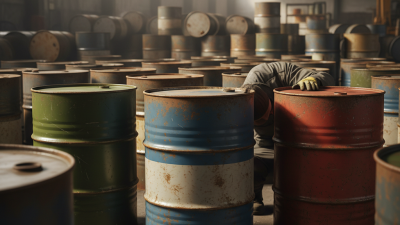
During inspection, check for dents, sharp edges, leaks, and loose closures. Tap gently around the body and listen for unusual thin spots. Ask whether the drum held oil, chemicals, or other materials. Never use an unknown drum for food, drinking water, or animal feed. A clean appearance proves very little. Even careful buyers can miss hidden corrosion. I would reject a cheap drum rather than repair a failed one later. Store it in a dry, ventilated place and keep it stable.

How to Choose, Transport, and Safely Use a Used Iron Drum

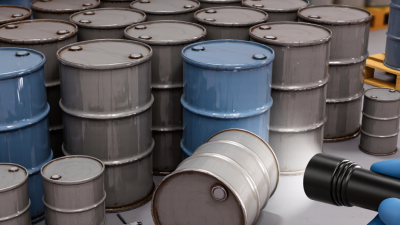
A used iron drum for sale can be practical, but its history matters more than its price. Buy from a certified reconditioner, industrial surplus seller, or reputable metal recycler. Ask for its previous contents, cleaning record, capacity, and inspection date. The World Steel Association reported about 1.89 billion tonnes of crude steel production in 2023, yet steel durability does not prevent hidden corrosion. Check the base, seams, bung threads, and inner wall with a flashlight. Reject drums with deep pitting, sharp dents, oily smells, or unreadable markings. I would rather pay more than guess.

Transport requires restraint, not optimism. Keep the drum upright on a stable pallet, then secure it with rated straps. Prevent rolling with wedges. Do not drag it across concrete; the bottom may split. The U.S. Bureau of Labor Statistics recorded 5,283 fatal workplace injuries in 2023, and poor material handling remains a serious workplace risk. Use gloves, safety footwear, and mechanical assistance for heavy drums. Inspect the vehicle floor before loading. Small details matter.

Use the drum only for a verified, non-hazardous, compatible material. Confirm the lining and closure condition first. Never cut, weld, grind, or heat a drum with an unknown history. Residues can create dangerous vapors, even when the container looks empty. Keep the opening accessible, label the contents clearly, and store it away from heat, rain, and vehicle traffic. Cleaning records help, but they are not perfect. A second inspection is sensible.

Used Iron Drum Sizes: Typical Nominal Capacity

Steel drums are commonly sold in nominal capacities of 16, 30, and 55 US gallons. Actual capacity, height, and diameter can vary by manufacturer and drum design. Before buying, inspect the drum for deep rust, leaks, dents affecting stability, damaged closures, and unknown previous contents. Transport it upright, secure it against movement, and never cut, weld, burn, or heat a used drum unless it has been professionally cleaned and certified safe.