How to Find Used Iron Drums for Sale Worldwide
Finding a used iron drum for sale worldwide requires more than comparing prices. Buyers must examine construction, previous use, storage conditions, and transport requirements. A low-cost drum can become expensive when rust weakens its walls or international freight exceeds its value.
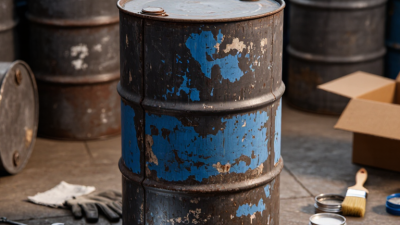
Packaging consultant Daniel Mercer explains, “A drum’s history matters as much as its appearance; inspect the steel before trusting the price.” This practical warning should guide every search. Request clear photographs of the body, seams, lid, bung openings, and base. Look for deep corrosion, dents near closures, leaking seals, or unidentified residue. Ask whether the drum was cleaned, tested, and stored under cover.
Small details matter.
Reliable suppliers should provide dimensions, capacity, material grade, approximate weight, and available quantities. They should also explain whether the drum is open-head or tight-head. For international purchases, confirm export packaging, customs documentation, and destination-country requirements before payment. Clean, certified drums may be suitable for legitimate industrial, agricultural, or storage applications. Unknown contents should never be handled casually.
Online marketplaces can widen access, but they also create uncertainty. Some listings use attractive photographs that hide damaged bottoms. I have found that requesting a current inspection video often reveals more than polished product descriptions. Still, even videos have limits. A local inspection may be worth the cost.
This guide explores practical sourcing channels, supplier questions, condition checks, shipping concerns, and responsible purchasing methods. The process is not perfect. Careful verification remains the safest advantage when buying a used iron drum for sale across borders.
Understanding Used Iron Drums and Their Common Applications
Used iron drums are usually carbon-steel containers, commonly holding 200 or 210 liters. They often have removable lids or two bung openings. These drums serve as practical packaging for lubricants, resins, coatings, detergents, and non-food industrial materials. Industry language can be misleading. “Iron drum” normally means steel, not pure iron.
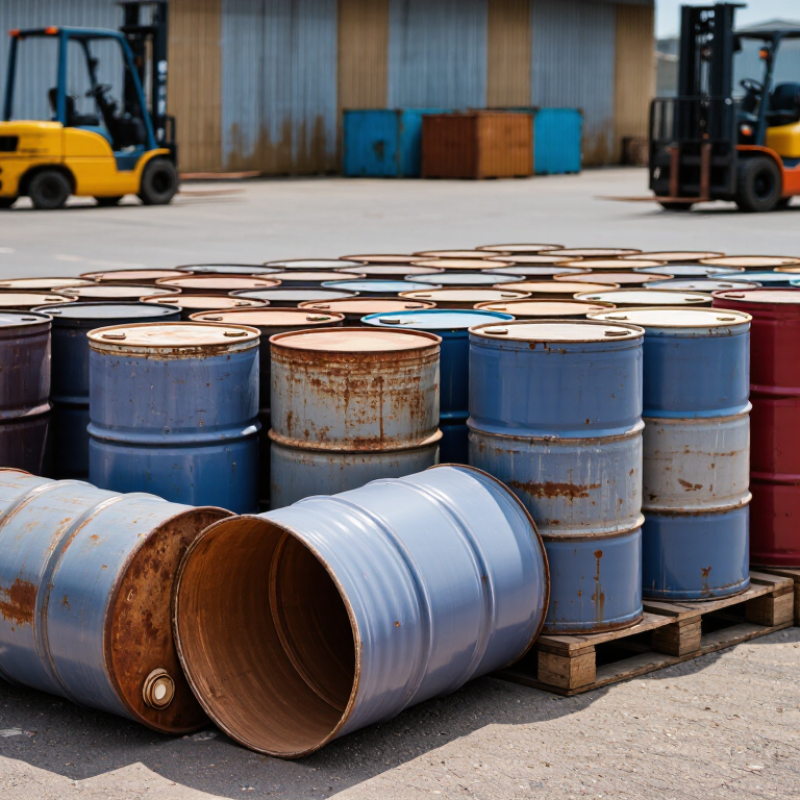
The condition determines its real value. Inspect the rim, seams, bung threads, and interior lining. Small rust spots may be manageable, but deep pitting can cause leakage. A clean exterior proves little. Previous contents may leave odors, residues, or chemical incompatibility. Reuse for food, water, or sensitive materials requires documented cleaning and suitability testing. The 2023 APEAL Steel for Packaging report recorded an 80.5% steel-packaging recycling rate in Europe for 2021, showing steel’s strong recovery value. Recycling, however, is not the same as safe reuse.
For worldwide sourcing, request recent photographs, wall-thickness details, closure type, and a written cleaning record. Confirm whether drums are open-head or tight-head models. Check pallet loading, export packaging, and local transport requirements before payment. A practical inspection includes tapping the base and checking for distortion. No checklist is perfect. A drum may look serviceable online yet fail when its lining flakes or its lid no longer seals. Buying a small test quantity can expose these weaknesses before a larger order.
Identifying Reliable Global Sources for Used Iron Drums
Finding used iron drums for sale worldwide requires more than comparing prices. Reliable sources usually provide clear photos, exact dimensions, wall thickness, and storage history. Ask whether the drums are empty, cleaned, and suitable for your intended use. A professional seller should answer directly and provide dated inspection records.
Check the supplier’s business registration, physical address, export experience, and independent customer feedback. Request a video showing the actual inventory, not only warehouse images. Examine dents, rust around seams, lid condition, and signs of previous leakage. Small defects can become expensive during transport. I once underestimated surface corrosion on several drums; the repair cost changed the purchase decision.
Tips: Request a sample before ordering in volume. Confirm pallet dimensions, loading methods, and shipping terms in writing. Ask for material specifications and cleaning certificates when relevant. Verify destination-country requirements before payment, especially for containers with unknown previous contents. Avoid sellers who demand unusual payment methods or refuse reasonable inspection. A low price may indicate hidden handling, storage, or disposal concerns. Keep every quotation, photograph, and message for later review.
How to Find Used Iron Drums for Sale Worldwide
Identifying Reliable Global Sources for Used Iron Drums
Reliable international sourcing depends on verifiable documentation rather than price alone. Before purchasing used iron drums, confirm the drum’s nominal capacity, steel condition, previous contents, cleaning status, UN performance marking when applicable, and export documentation. The checklist below summarizes the core evidence buyers should request from any global source.
Checking Drum Condition, Specifications, and Safety Requirements
Finding used iron drums worldwide requires more than comparing prices and shipping distances. Condition should be checked before discussing quantity. Look for deep rust, sharp edges, leaking seams, bulging walls, and damaged rims. Surface discoloration may be harmless, but flaky corrosion can weaken the drum. Tap lightly around the body and inspect the bottom closely. It is easy to miss.
Ask for clear photographs of the inside, outside, lid, closures, and base. A strong odor or unknown residue deserves careful attention. Request the drum’s previous-use record and cleaning documentation. Never assume a washed drum is automatically suitable for new contents. I have found that sellers sometimes describe cosmetic damage too generously. An independent inspection can prevent expensive surprises.
Specifications must match the intended application. Confirm capacity, steel thickness, opening type, closure condition, weight, and stacking limits. Check whether the drum is refurbished, reconditioned, or sold as-is. Safety markings and certification documents should be current and traceable. Requirements may vary by country, transport method, and material stored. Confirm them with qualified local authorities or a safety professional. Do not guess. Before payment, request a written condition report, recent inspection date, loading photos, and secure packaging details. Small documentation gaps can become serious problems after delivery.
Comparing Prices, Shipping Options, and International Trade Terms
How to Find Used Iron Drums for Sale Worldwide
Used iron drum prices vary by size, thickness, condition, and cleaning history. A low listing price can hide expensive repairs or weak closures. I once compared unit prices only and missed pallet fees. That was a costly oversight.
Ask sellers for recent photos, weight details, and records showing previous contents. Choose drums that are empty, clean, dry, and suitable for lawful industrial use.
Shipping can change the final cost dramatically. Ocean freight usually suits large orders, while road or rail transport may work better for regional purchases. Request quotes with handling, insurance, port charges, and inland delivery listed separately.
Compare EXW, FOB, CIF, and DDP terms carefully. Each term assigns different costs, risks, and customs responsibilities. DDP may appear simple, but sellers may not manage import procedures in every destination.
Check local import rules before paying a deposit. Confirm drum dimensions, stacking limits, and container capacity with a freight professional. A third-party inspection can verify rust, dents, closures, and usable volume.
It also creates stronger evidence if the shipment differs from the agreement. Price comparisons still need caution. Currency changes, seasonal freight rates, and customs delays can alter the calculation.
My own preference is a clear landed-cost sheet, although even that can miss unexpected storage charges.