How to Choose the Right Lohe Ka Drum for Global Buyers?

Choosing the right lohe ka drum is not simply a price comparison. It is a packaging decision involving steel quality, wall thickness, closure design, coating, transport, and destination regulations. A 200-litre open-head drum may suit solid goods, while a tight-head model usually fits compatible liquids. The wrong choice can cause leakage, corrosion, product contamination, or costly returns.

Market scale matters. The World Steel Association’s World Steel in Figures 2024 reported approximately 1,892.6 million tonnes of crude steel production in 2023. This demonstrates strong global supply, but it does not guarantee consistent drum quality. Buyers should request mill certificates, coating specifications, UN performance certification where applicable, and inspection records. UN Comtrade data can also help compare import patterns, supplier countries, and tariff classifications. However, trade data may combine different drum types. That limitation deserves attention.

Edwin Basson, Director General of the World Steel Association, has said, “Steel is the most recycled material in the world.” This principle supports steel drums’ durability and circular-use potential, but recycling claims still depend on local collection systems. In my experience, a shiny surface can hide weak seams or unsuitable internal linings. That is easy to miss.

Global buyers should inspect sample drums physically. Check flange welds, bung threads, gasket compression, pallet stability, and rust protection after simulated transport. Climate matters too. Humid ports, long ocean routes, and temperature changes can expose weaknesses quickly. The cheapest lohe ka drum may become the most expensive option after freight damage, rejected cargo, or unsafe handling.
How to Choose the Right Lohe Ka Drum for Global Buyers?

Understanding Lohe Ka Drum Types and Their Common Applications

How to Choose the Right Lohe Ka Drum for Global Buyers?

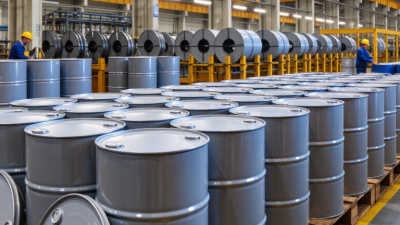
Lohe ka drum usually means a steel industrial drum, but its design changes by application. Tight-head drums have fixed tops and small openings. They suit lubricants, oils, and liquid materials needing controlled pouring. Open-head drums use removable lids with clamps. They work better for powders, pastes, and frequent access.

Choose the opening carefully. A small mistake can slow filling and cleaning.

The World Steel Association reported global crude steel production of about 1.88 billion tonnes in 2024. This scale supports broad steel-drum availability, but quality still varies by specification.

Carbon-steel drums are practical for general industrial storage.

Galvanized drums offer stronger corrosion resistance in humid logistics conditions.

Stainless-steel drums serve demanding applications where cleanliness and chemical resistance matter.

Lined drums can protect contents from direct steel contact. Food-related use requires suitable internal coatings and documented compliance.

Size, wall thickness, closure style, and surface treatment should match the supply chain. A 200-liter drum may fit standard handling equipment, but warehouse space differs worldwide.

The UN Global Compact notes that resource efficiency remains important across industrial value chains. The World Steel Association also reports that steel is highly recyclable, with hundreds of millions of tonnes recycled annually.

That supports circular procurement, not careless disposal.

In practice, buyers should request coating data, leak-test records, material certificates, and sample photos. Catalog descriptions are not enough.

Some suppliers may describe drums as “iron” when they mean mild steel. Clarify the material before comparing prices.

Assessing Drum Materials, Capacity, Shape, and Construction Quality

How to Choose the Right Lohe Ka Drum for Global Buyers?

When selecting a Lohe Ka Drum, inspect the material before comparing prices. Carbon steel offers strength for demanding transport and storage. Galvanized steel resists moisture better, especially in humid warehouses. Check the sheet thickness, surface coating, welds, and seams. Uneven welding can create weak points and hidden leakage risks. A clean, continuous seam is usually a better sign of construction quality.
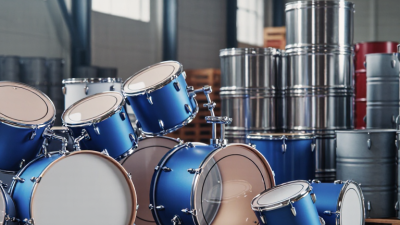
Capacity should match the product, handling method, and available storage space. A larger drum may reduce packaging costs, but it can become difficult to move safely. Smaller drums offer easier manual handling and more flexible inventory control. Shape also matters. Cylindrical drums stack and roll efficiently, while tapered designs may simplify empty-drum nesting. Confirm the opening size, lid fit, and internal cleanliness before ordering. I have seen buyers focus too much on volume and overlook access.

Tips: Request a sample or inspection report. Measure wall thickness at several points. Test the lid seal gently. Check whether the drum remains stable on a flat floor. Ask about pallet compatibility and export packaging. Do not assume a heavy drum is automatically better. Weight can hide poor design. Also, specifications may look complete but still miss handle strength or coating details. Recheck them with the actual filling and transport conditions.

How to Choose the Right Lohe Ka Drum for Global Buyers?

Assessing drum materials, capacity, shape, and construction quality

Material
Carbon steel is economical and strong, galvanized steel improves external corrosion protection, and stainless steel offers the highest resistance for aggressive or moisture-sensitive contents.
Shape
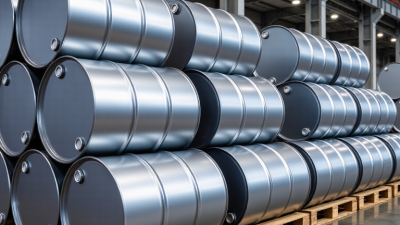
Cylindrical drums provide efficient stacking, uniform internal stress distribution, and compatibility with common handling equipment.
Construction Quality
Check seam consistency, lid fit, closure security, surface treatment, wall uniformity, and resistance to dents or deformation during transport.

Nominal capacities shown are common steel-drum formats. Practical filling volume is calculated at 90% of nominal capacity to allow headspace for handling, thermal expansion, and safe closure.

Comparing Safety, Durability, Corrosion Resistance, and Maintenance Needs

For global buyers, a lohe ka drum should be judged by risk, not appearance. Steel thickness, seam quality, closure design, and handling rings directly affect safety. The UN Recommendations on the Transport of Dangerous Goods require performance-tested packaging for regulated materials. Buyers should request test records, not rely on verbal assurances. Check the seams. A slightly heavier drum may provide better impact resistance during loading and long-distance transport.

Corrosion resistance depends on the contents, climate, and internal protection. Uncoated steel can deteriorate quickly in humid ports or coastal warehouses. The NACE IMPACT study estimated global corrosion costs at about US$2.5 trillion annually, equal to roughly 3.4% of global GDP. That figure shows why coating selection deserves technical review. Use an internal lining for aggressive liquids, and inspect for pinholes, scratches, or blistering. Galvanized steel can help externally, but it is not suitable for every chemical environment.

Durability also depends on maintenance. Store drums under cover, keep them upright, and prevent water from collecting around the base. Wipe salt and chemical residue from the surface. Replace damaged gaskets and closures promptly. World Steel Association data confirms steel remains highly recyclable, but recycling value does not excuse poor inspection. No drum is maintenance-free. In practice, buyers sometimes specify maximum durability while accepting the cheapest coating. That trade-off needs reconsideration. A documented inspection schedule, corrosion allowance, and compatibility test usually offer more reliable value than a low purchase price.

How to Choose the Right Lohe Ka Drum for Global Buyers? - Comparing Safety, Durability, Corrosion Resistance, and Maintenance Needs

Drum Construction Typical Capacity Safety Considerations Durability Corrosion Resistance Maintenance Needs Best Use Main Limitations
Carbon Steel Open-Head Drum
Removable lid with bolt ring or lever-lock closure
Commonly 208 L / 55 US gal Suitable for many solids, powders, and non-volatile liquids when the closure and gasket are correctly selected. For regulated dangerous goods, the drum must carry the appropriate UN performance marking. High resistance to impact, stacking, and handling damage. The removable lid provides convenient filling and emptying. Moderate when uncoated; exposed steel can rust in humid, salty, or chemically aggressive environments. Inspect the lid, gasket, locking ring, seams, and exterior coating before reuse. Keep dry and remove surface rust promptly. General industrial materials, powders, viscous products, and goods requiring wide access. Less suitable for corrosive contents unless internally lined or otherwise protected.
Carbon Steel Closed-Head Drum
Fixed top with openings for plugs or fittings
Commonly 208 L / 55 US gal The fixed head reduces the risk of an improperly fitted removable lid. Use compatible plugs, gaskets, and pressure-relief provisions where required by the product and transport regulations. High structural strength and good suitability for repeated transport when not dented or severely corroded. Moderate without a protective lining or coating. External rust risk increases under outdoor storage and coastal conditions. Check plug tightness, gasket condition, seams, dents, and coating integrity. Avoid storing directly on wet floors. Liquid chemicals, oils, lubricants, and products handled through pumps or closed transfer systems. Narrow openings make cleaning, inspection, and removal of solid residues more difficult.
Internally Lined Carbon Steel Drum
Steel body with a product-compatible polymer or epoxy lining
Commonly 208 L / 55 US gal The lining can separate the product from the steel, but it must be chemically compatible and free from pinholes, scratches, and impact damage. The steel shell provides strong mechanical protection; service life depends heavily on lining adhesion and handling practices. Good to very good for selected chemicals. Resistance varies by lining chemistry, temperature, concentration, and exposure time. Inspect the lining for scratches, blistering, flaking, and chemical attack. Do not use abrasive tools that can expose the steel. Products that may react with bare carbon steel, including certain chemicals, coatings, and food-related materials when approved for contact. A damaged or incompatible lining can cause contamination and rapid localized corrosion.
Galvanized Steel Drum
Steel protected by a zinc coating
Often available near 200–210 L Mechanical safety is similar to other steel drums of comparable construction. Confirm that the zinc surface is suitable for the contents and intended temperature. Good resistance to normal handling and outdoor exposure when the zinc coating remains intact. Good atmospheric corrosion resistance. Zinc can be attacked by strong acids, strong alkalis, and some chemicals. Keep the surface clean and dry; inspect cut edges, seams, scratches, and white corrosion deposits. Avoid incompatible cleaning chemicals. Dry goods and selected industrial materials requiring better external corrosion protection than bare carbon steel. Not a universal solution for acidic, alkaline, or zinc-reactive contents.
304 Stainless Steel Drum
Austenitic stainless steel construction
Commonly 200–220 L, depending on design Strong and non-porous when properly manufactured. Select suitable seals and fittings, and verify regulatory approval for hazardous-material transport where applicable. Very high resistance to impact, repeated cleaning, and temperature variation when correctly fabricated and maintained. Very good in many atmospheric and mildly corrosive environments. Chloride exposure can cause staining or localized corrosion. Use non-contaminating tools, rinse after cleaning, and prevent chloride residues from drying on the surface. Inspect welds and crevices. Food, pharmaceutical, cosmetic, and high-hygiene applications requiring repeated cleaning. Higher purchase cost; unsuitable for some high-chloride or strongly corrosive chemicals without technical verification.
316 Stainless Steel Drum
Stainless steel containing molybdenum for improved chloride resistance
Commonly 200–220 L, depending on design Provides robust containment when the drum, closure, gasket, and fittings are correctly specified. Required transport approvals still depend on the complete packaging design. Excellent for demanding service, frequent washing, and long-term reuse when welds and surfaces are properly finished. Excellent among common stainless-steel options for chloride-containing or marine environments, though it is not immune to all chemicals or crevice corrosion. Routine washing and inspection are usually sufficient; avoid stagnant deposits, chloride cleaners, and carbon-steel contamination. Marine environments, higher-chloride products, specialty chemicals, and intensive reusable-container programs. Highest initial cost among the options listed; material compatibility must still be confirmed for each chemical.
Buyer checklist: Confirm the product’s chemical compatibility, required capacity, closure type, gasket material, stacking requirements, cleaning process, storage climate, and applicable transport regulations. For dangerous goods, purchase only packaging with the correct UN performance certification for the intended contents and transport conditions.

Checking Standards, Customization Options, and Global Shipping Requirements

Choosing the right Lohe Ka Drum starts with standards, not appearance. Ask for steel grade, wall thickness, closure design, coating type, and verified capacity. The ISO 15750 series provides useful references for steel drums, including dimensions and closure performance. For export use, request production records and batch-level inspection reports. A clean photograph is not enough. I have seen attractive drums fail because the gasket hardened during storage.

Customization should match the cargo and handling route. Options include open-head or tight-head designs, internal linings, embossed markings, pallet compatibility, and corrosion-resistant coatings. If the drum carries regulated material, applicable UN packaging tests and the IMDG Code must be checked with the shipper. Requirements can vary by destination.

Confirm stacking limits, leakage resistance, and label durability before production. Do not assume one specification fits every port.

Tips: Request a pre-shipment sample and test the closure by hand. Compare net weight, tare weight, and usable volume. Keep drawings in millimetres. UNCTAD’s Review of Maritime Transport 2024 notes that over 80% of global merchandise trade moves by sea, so shipping details matter. Confirm container loading plans, moisture protection, export documents, and local import rules. The World Bank’s Logistics Performance Index 2023 also shows major differences in customs and delivery performance across economies. A cheaper drum may create higher freight costs if it wastes container space. Sometimes, the “standard” option is not the practical one.

Selecting Reliable Suppliers and Evaluating Total Purchase Costs

How to Choose the Right Lohe Ka Drum for Global Buyers?

Selecting a reliable Lohe Ka Drum supplier requires more than comparing unit prices. Request material specifications, wall thickness, drum capacity, closure type, coating details, and load limits. Ask for recent inspection reports and production photos. A serious supplier should explain how steel is tested, seams are checked, and finished drums are protected from rust. Request one sample before placing a large order. It may delay the project, but it can expose weak welds or poor-fitting lids early.

Evaluate the total purchase cost, not only the factory quotation. Include tooling, minimum order quantities, inland transport, export packing, freight, insurance, duties, warehouse handling, and payment fees. A cheaper drum may need extra pallets or stronger wrapping. Those small charges accumulate quickly. Confirm whether the quote uses FOB, CIF, or another delivery term. Compare identical terms and quantities. Currency changes can also affect the final figure.

Supplier reliability needs evidence. Check production capacity, lead times, quality-control procedures, and communication records. Ask how damaged units are replaced and who pays for rework. A written specification reduces misunderstandings across languages. Still, documents are not perfect proof. I have seen polished reports hide inconsistent measurements between batches. Independent pre-shipment inspection is often worthwhile. Keep a cost sheet with expected and actual charges. Review it after delivery, because real freight and handling costs may differ from the original estimate.