How to Use Metallic Pigment for Stunning Art Projects?
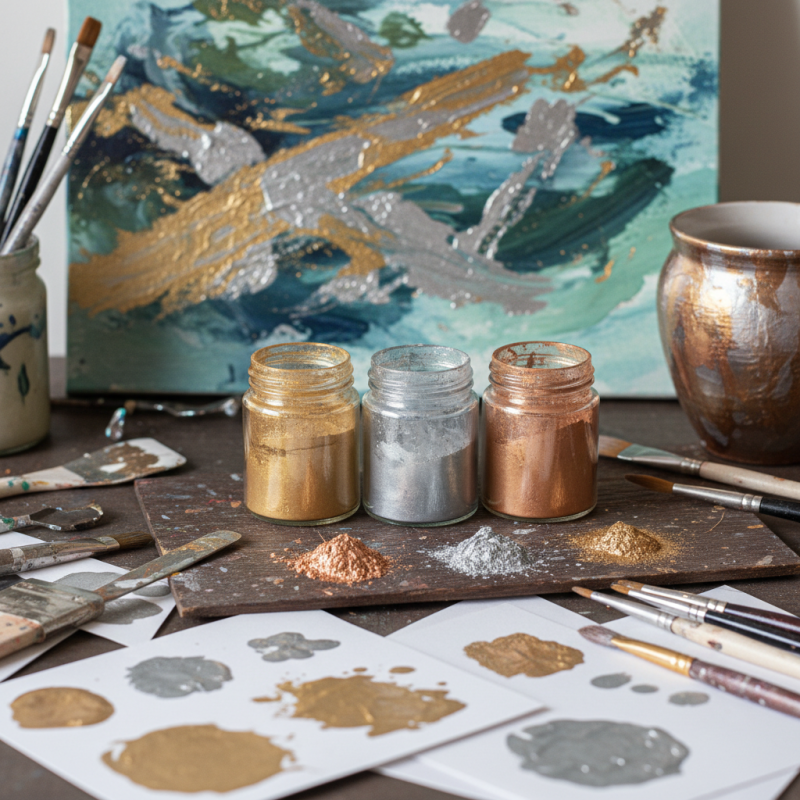
Metallic Pigments have become a popular choice in artistic endeavors. Recent reports indicate that the global market for such pigments is expected to grow significantly, reaching a value of over $1 billion by 2025. Artists are increasingly drawn to these vibrant powders for their ability to create stunning visual effects. The shimmer and shine of metallic pigment enhance artworks with depth and dimension.
Exploring the use of metallic pigments can be both exciting and daunting. Different mediums behave uniquely with these pigments. For instance, the application on canvas, paper, or ceramics yields different results. Artists must reflect on their techniques and the impact of their choices. They may find that some pigments perform better than others.
The versatility of metallic pigments invites experimentation. With the right approach, artists can achieve remarkable results. However, there are challenges to address. Improper mixing or application can lead to uneven surfaces. Embracing the learning curve is essential. Each project presents an opportunity for growth and creativity in utilizing metallic pigments.
Understanding Metallic Pigments: Types and Properties
Metallic pigments are revolutionizing the art world. They come in various types, each offering unique properties. Two popular categories include traditional metallics and interference pigments. Traditional metallics mimic metals like gold and silver. Interference pigments shift colors based on the viewing angle. This creates a dynamic visual effect.
Understanding the properties of these pigments is crucial for artists. Metallic pigments can enhance texture and depth in artwork. According to a recent market report, the global metallic pigments market is expected to grow by 4.5% annually. This indicates a rising demand among artists and designers for these materials. However, not all pigments are created equal. Some may lack the brilliance needed for effective use in art projects.
Application methods also differ. Spray application can yield a smooth finish, while brush application may promote texture. Artists need to experiment to find their preferred technique. It’s also important to consider compatibility with other materials. Some combinations may lead to unexpected results. Understanding these nuances will improve outcomes. Every artist needs to reflect on their choices to achieve the desired effect.
Usage of Metallic Pigments in Art Projects
Choosing the Right Medium for Metallic Pigment Application
Choosing the right medium for metallic pigment application is crucial for creating stunning artwork. Commonly used mediums include acrylic gels, oils, and watercolor. Each offers its benefits. Acrylics are versatile and dry quickly. However, they may not always deliver the rich sheen that some artists desire.
When working with oil mediums, artists often experience longer drying times. This allows for blending, but it may lead to frustration if you need quick results. Watercolors can create a soft, luminous effect. Yet, they may dilute the brilliance of metallic pigments. It's important to experiment and see which medium suits your style best.
Tip: Always mix metallic pigments with a test medium first. This will help gauge the final effect. Use a palette knife for better mixing. The textures can vary with different mediums. Some can muddle the pigment's shine.
Tip: Keep in mind how your chosen medium interacts with the metallic pigment. Reports indicate that 70% of artists note a difference in vibrancy based on the combination. Take time to reflect on your choices. Each element can significantly impact the overall outcome of your project. Don't be afraid to adjust your approach as you learn from each attempt.
Techniques for Applying Metallic Pigments in Art Projects
Metallic pigments can add depth and brilliance to your art projects. They shimmer and shine, catching light beautifully. One effective technique for applying these pigments is using a dry brushing method. You can use a stiff brush to apply a small amount of pigment on raised surfaces. The result is a striking contrast against darker backgrounds.
Another approach is mixing metallic pigments with mediums. This can often lead to unexpected textures. Experimenting with varying consistencies can lead to surprising results. Sometimes the mixture may be too thick, or it may not adhere well. Don’t be discouraged; adjusting your ratios can lead to better outcomes.
Airbrushing is a fantastic way to create even, fine layers. This technique offers a smooth finish, but it can be tricky. You might find the pigments clogging the airbrush. Patience is key in troubleshooting this issue. Relying on different spray techniques can lead to diverse effects, adding to the unique character of your work. Play with the distance and speed to find your perfect application style.
How to Use Metallic Pigment for Stunning Art Projects? - Techniques for Applying Metallic Pigments in Art Projects
| Technique | Materials Needed | Application Method | Best For |
| Dry Brushing | Metallic pigment powder, soft brush | Dip the brush in pigment, then remove excess. Lightly brush over the surface. | Adding shimmer to paintings |
| Mixing with Mediums | Metallic pigment, acrylic medium or resin | Combine pigment with medium and apply with brush or spatula. | Textured surfaces and mixed media |
| Spray Application | Spray bottle, metallic pigment, water | Dilute pigment in water and spray onto the surface. | Broad coverage and gradients |
| Stenciling | Metallic pigment, stencil, sponge | Apply pigment through stencil using a sponge. | Creating patterns and designs |
| Embedding in Resin | Metallic pigment, epoxy resin | Mix pigment into resin before pouring into molds. | Jewelry making and decorative pieces |
Layering and Blending Metallic Pigments for Visual Effects
Metallic pigments can transform any art project into something truly eye-catching. When layering these pigments, the order matters. Start with a light base color to allow the metallics to shine. Apply the metallic pigment in thin coats, allowing each layer to dry. This helps to avoid unwanted mixing. The shine often gets lost if you add too much at once. Be mindful of how you blend colors. A gentle hand can create beautiful gradients.
Experimentation is key in your process. You might find that some blends have unexpected results. Sometimes, a combination that seems perfect can turn muddy. Layering requires patience and a willingness to adjust. If a layer looks too stark, lightly sand it down for a smoother transition. Use a clear sealant to protect your work, but be careful; it can alter the final look. Each project teaches you something new, especially about your color choices.
Remember, mistakes can spark creativity. A smudge might lead to a new technique. Embrace the imperfections and let them guide your work. Keep your eye open for unique effects that arise during blending. Each session is a journey, offering lessons in layering and blending that can elevate your artistry.
Tips for Finishing and Preserving Your Metallic Artwork
When working with metallic pigments, preserving the vibrancy and quality of your artwork is crucial. It's important to select the right type of protective finish. A recent industry report indicates that artworks treated with acrylic varnishes last 30% longer than those left unsealed. This highlights the importance of a good finish.
Consider using a spray varnish. It provides an even coat and prevents uneven shine. Make sure to apply it in thin layers to avoid drips. You can also use a paintbrush for more precision, especially on intricate designs. This approach ensures the metallic elements remain prominent and stunning.
Don't forget about storage. Properly displaying your artwork can prevent fading. Exposure to direct sunlight can diminish metallic luster significantly, by as much as 50% over time. Use UV-protective glass when framing. This simple step can add years to your piece's vibrancy. Keeping these factors in mind can enhance the longevity of your stunning creations.