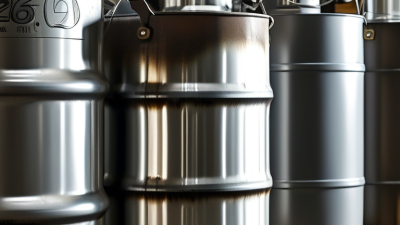
An empty iron drum is more than discarded industrial packaging. It may be cleaned, inspected, reconditioned, recycled, or reused for approved non-hazardous storage. Its next purpose depends on its previous contents, steel condition, closure design, and local handling requirements. The answer is less tidy than it sounds.
Industry data supports this circular approach. The World Steel Association reports that steel remains highly recyclable, with hundreds of millions of tonnes recycled globally each year. The United Nations Environment Programme also identifies reuse and material recovery as important tools for reducing resource consumption. For steel drums, reconditioning can preserve the original container body while replacing damaged lids, bungs, or coatings. That can reduce material demand, although cleaning requires energy, water, trained workers, and proper wastewater control.
Packaging consultant Steve Fletcher describes the practical principle this way: “A drum’s value is measured by what safely happens after its first use.” That view is useful, but incomplete. An empty iron drum should never be treated as automatically harmless. Residue can remain beneath seams, inside dents, or around closures. A professional inspection should confirm its history and condition before reuse. Common applications include dry-material storage, workshop collection, rainwater projects, and decorative industrial furniture. Some ideas look simple. They are not always safe.
This article examines what an empty iron drum is used for, how reconditioning works, and which details deserve careful attention. It also considers recycling, corrosion, labeling, and responsible handling. The goal is practical guidance, not an overconfident promise that every drum has a second life.
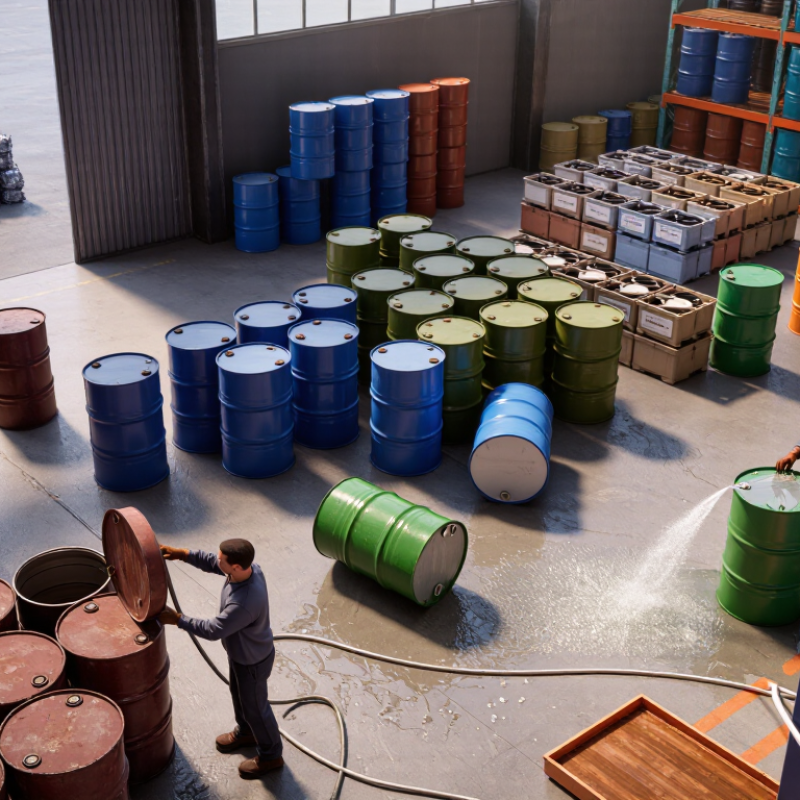
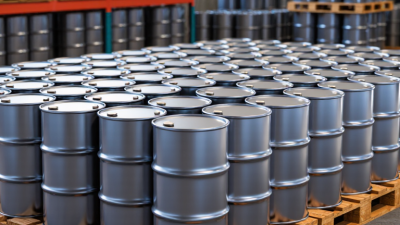
An empty iron drum is a cylindrical steel container with no intended contents inside. It usually has a removable lid or sealed top. Common sizes range from small utility drums to larger industrial containers. Its thick metal wall provides strength, stability, and resistance to impact. A plain surface also makes inspection easier.
People may use empty iron drums to hold non-hazardous dry materials, workshop supplies, or recyclable metal. Some are placed beneath covered areas for temporary rainwater collection. Others serve as protective containers during storage or transport. Their round shape supports stacking when the design allows it. Reinforced rims help reduce dents around the opening.
“Empty” does not always mean clean.
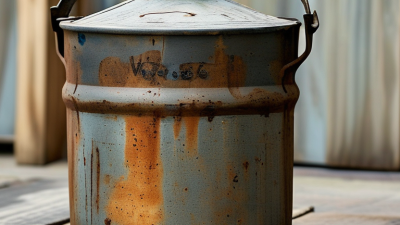
A drum may contain dust, moisture, rust flakes, or invisible residue. I have learned that visual inspection alone can be misleading. Before reuse, check the label, closure, interior, seams, and bottom surface. Never cut, heat, weld, or modify a drum unless a qualified professional confirms it is safe. Pressure can build inside damaged or sealed containers. That detail is easy to overlook.
Choose a drum made for the intended material and environment. Indoor storage needs differ from outdoor use. Keep it upright on a stable surface, away from heat and standing water. Follow local safety requirements and handling instructions. A simple container still deserves careful judgment.

What Is an Empty Iron Drum Used For?
An empty iron drum often becomes useful industrial equipment, not waste. A standard 200-litre drum can store dry powders, spare parts, tools, or non-hazardous maintenance materials. Warehouses also use drums as temporary collection bins for metal offcuts, packaging film, and damaged pallets. They are strong, stackable, and easy to move with drum handlers. Small businesses may convert cleaned drums into worktables, plant containers, or outdoor storage units. Practical reuse is common.
Manufacturers also use empty drums for internal material handling. A sealed drum can protect components from dust, moisture, and accidental impact. In workshops, open-top drums may collect used packaging or process scraps. The U.S. Environmental Protection Agency reports that containers and packaging represent a major share of municipal solid waste, making reuse commercially relevant. Steel also supports circular production. The World Steel Association reports that roughly 680 million tonnes of steel are recycled globally each year.
Safety still requires judgment. A drum’s previous contents matter. Industrial users should check labels, inspect seams, remove residues, and confirm compatibility before reuse. Never cut, weld, heat, or pressurize an unverified drum. That sounds obvious, but rushed maintenance can overlook hidden vapors or weak corrosion points. Certified cleaning may be necessary for food, pharmaceutical, or sensitive industrial applications. Some drums are simply too damaged for reuse. Proper recycling is then the better option.
What Is an Empty Iron Drum Used For?
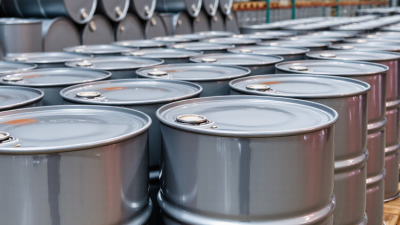
An empty iron drum is more than a leftover container. It can support practical storage and transport operations when inspected and selected correctly. Its rigid steel body protects dry materials, small machine parts, tools, and workshop supplies from impacts and rough handling. In a warehouse, drums can stand upright on pallets, remain stable during movement, and use vertical space efficiently.
Transport workers often choose drums for their strong walls and secure closures. A sealed lid helps reduce dust, moisture, and accidental loss during delivery. Before loading, check the rim, base, seams, and closure for dents or rust. A damaged drum may fail under pressure. It is a small detail, but it matters.
Keep loads balanced.
Empty drums also help organize inventory between production areas and storage rooms. Clear labels can show contents, weight, handling direction, and inspection dates. However, an old drum should not automatically hold food, drinking water, or sensitive materials. Previous residues may remain inside, even when the surface looks clean. Use only containers approved for the intended contents and follow local storage and transport requirements. This caution can feel excessive. It is not.
For repeated use, workers should clean the drum safely, dry it completely, and inspect it before every trip. A simple checklist prevents many avoidable problems. The best storage container is not always the newest one; it is the one whose condition and purpose are understood.
Empty steel drums are commonly prepared for reuse, recycling, or safe disposal. When suitable and properly cleaned, they can be used to store and transport liquids, powders, and solid materials. The chart shows common nominal drum capacities used in industrial storage and transport.
Capacity values are nominal conversions from common U.S. steel drum sizes: 16, 30, and 55 U.S. gallons. Actual usable capacity may vary by drum design, filling limits, and applicable transport regulations.
What Is an Empty Iron Drum Used For?
Safety, Cleaning, and Handling Requirements
An empty iron drum may serve as a container for approved dry materials, workshop tools, or nonhazardous waste. However, “empty” does not mean safe. Vapors, dust, or liquid residue can remain inside seams and beneath the lid. I once saw a clean-looking drum release a strong odor after opening. That detail changed how I inspect every container.
Check the label, previous contents, dents, rust, and closure before moving the drum. Never cut, weld, drill, or burn a used drum unless qualified professionals confirm it is safe. Residual vapors can ignite or create pressure. Work in a well-ventilated area, wear suitable gloves and eye protection, and keep the opening away from your face. Use proper lifting equipment for heavy drums. Do not roll damaged containers across uneven floors.
Cleaning should match the former contents. Trained personnel should select the detergent, collect wash water, and prevent discharge into soil or drains. Rinse water may still require controlled disposal. After cleaning, allow the drum to dry completely, inspect it again, and mark it clearly for its new purpose. Avoid storing food, drinking water, or sensitive materials inside reused drums. A removable lid helps inspection, but it does not replace proper cleaning records. My own practice is deliberately cautious: when the history is uncertain, I do not reuse the drum.
| Data Dimension | Typical Information | Safety, Cleaning, or Handling Requirement |
|---|---|---|
| Primary Uses | Temporary storage, collection, and transport of compatible solid or liquid materials after the drum has been properly emptied and assessed. | Confirm that the drum material, lining, closure, and condition are suitable for the intended contents. |
| Meaning of “Empty” | A drum may appear empty while still containing liquid residue, vapors, sludge, or hazardous contamination. | Treat every previously used drum as potentially hazardous until its contents and condition have been verified. |
| Residual Chemical Risk | Residues may be flammable, corrosive, toxic, reactive, or harmful if inhaled or contacted. | Review the original label, safety data sheet, previous contents, and applicable waste requirements before opening or cleaning. |
| Inspection Before Reuse | Check for dents, rust, holes, leaking seams, damaged bungs, missing gaskets, and unstable closures. | Do not reuse a drum that is structurally damaged, severely corroded, leaking, or unsuitable for the planned material. |
| Cleaning Method | Cleaning may involve compatible detergents, water, solvents, mechanical removal, or specialist decontamination. | Select the method according to the previous contents. Collect all wash water, sludge, and rinsate for proper evaluation and disposal. |
| Ventilation | Opening or cleaning can release concentrated vapors, particularly from volatile or flammable substances. | Work outdoors or in suitable mechanical ventilation. Never rely on smell to determine whether a drum is safe. |
| Fire and Explosion Prevention | Vapor or residue inside an apparently empty drum can ignite or explode when exposed to heat, sparks, or flames. | Never weld, cut, drill, grind, braze, incinerate, or heat a used drum unless it has been professionally cleaned, tested, and declared safe. |
| Personal Protective Equipment | Potential exposure may involve skin contact, eye contact, inhalation, or splashes. | Use protection selected from the safety data sheet and risk assessment, such as chemical-resistant gloves, protective clothing, eye protection, and suitable respiratory protection where required. |
| Handling and Movement | Steel drums are heavy and may roll, tip, or cause pinch and crush injuries during movement. | Use appropriate drum-handling equipment, keep hands away from pinch points, secure loads, and do not roll drums near people or vehicle traffic. |
| Storage Conditions | Unused or cleaned drums can be affected by weather, impact, heat, and incompatible materials. | Store upright on a stable surface, protect from damage and extreme heat, keep closures secure, and segregate incompatible materials. |
| Labeling | A reused drum can be mistaken for a clean or uncontaminated container if its history is unclear. | Remove or mark obsolete labels and identify the current contents, hazards, status, and date of inspection or cleaning. |
| Food or Water Contact | A drum previously used for chemicals, fuels, oils, or industrial materials may retain contamination. | Do not use a previously contaminated industrial drum for food, drinking water, animal feed, or personal-use storage unless it is specifically approved and certified for that purpose. |
| Waste and Disposal | A contaminated drum and its residues may be regulated as hazardous waste, depending on the contents and local requirements. | Do not burn, bury, drain, or abandon the drum. Use an authorized waste or recycling route after confirming local regulations. |
| Confined-Space Hazard | A drum can contain oxygen-deficient, toxic, or flammable atmospheres. | Never enter a drum. Do not place your head inside it. Inspection or internal work must be performed only by trained personnel using an approved confined-space procedure. |
| Recommended Final Check | Safe reuse depends on the drum’s history, construction, condition, cleaning method, and intended contents. | Document the inspection and cleaning status, verify compatibility, and follow the safety data sheet and applicable occupational, transport, and waste regulations. |
What Is an Empty Iron Drum Used For?
An empty iron drum can become a useful storage container, planter, compost bin, or workshop table base. Its value depends on its condition and previous contents. A drum that held clean industrial materials may enter a scrap-steel stream. The World Steel Association estimates that about 680 million tonnes of steel are recycled globally each year. This keeps valuable metal in circulation and reduces demand for virgin resources.
Reuse requires careful inspection. Residue, rust flakes, sharp rims, and trapped vapors can create serious hazards. Cleaning should follow the original material’s safety information. Never cut, weld, or heat a drum unless a qualified professional confirms it is safe. In practice, many reuse projects fail because “empty” is treated as “clean.” That assumption needs challenging.
Tips: Check the drum’s history first. Ask a certified waste contractor about difficult residues. Remove labels before repurposing. Sand loose rust, seal exposed steel, and cover every cut edge. For planters, add drainage holes and use a suitable liner. Avoid storing drinking water or food unless the container’s safety status is verified. Measure the space before cutting; metal is unforgiving. Once damaged, send the drum to a licensed metal recycler instead of forcing another use.