Top Cast Iron Drum Manufacturers for Global Buyers

Choosing a cast iron drum supplier takes more than comparing prices or browsing polished catalogues. Global buyers need consistent dimensions, sound castings, reliable documentation, and clear communication about production capacity. Small defects matter. A rough rim, uneven wall, or poorly finished opening can complicate installation and shorten service life. The right checks depend on the drum’s intended use, operating conditions, and required specifications.

Casting authority John Campbell’s work offers a useful buyer-focused principle, paraphrased here: “Process control matters as much as the alloy.” That distinction is easy to miss. Ask manufacturers how they control melting, moulding, cooling, and finishing, and what inspection records they can provide. Review material specifications, sample reports, dimensional checks, and defect-handling procedures. Where appropriate, request an independent inspection before shipment. A confident sales promise is not a test result.

This guide compares cast iron drum manufacturers for global buyers, focusing on product consistency, technical support, customization, and export readiness. A supplier may excel at volume yet struggle with special dimensions or responsive follow-up. That deserves a second look. No checklist removes every risk, and even experienced buyers can overlook a detail when timelines tighten. Clear questions, documented requirements, and a practical sample review make the comparison more dependable.
Top Cast Iron Drum Manufacturers for Global Buyers

What Cast Iron Drums Are and How They Are Used

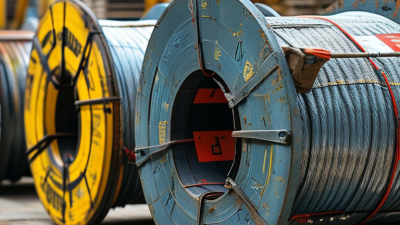
A cast iron drum is a cylindrical machine component, not usually a container for shipping goods. Not a barrel. The term can describe a brake drum, a cable-winding drum, or a rotating part in industrial equipment. In a drum brake, curved shoes press against the inner surface, creating friction and slowing the wheel. On a cable winch, the drum winds and releases cable; its mass and surface condition affect operation. Cast iron is valued for stiffness, wear resistance, and its ability to absorb vibration, though it can be brittle under impact. The word can be confusing. Design and use matter.

The American Foundry Society’s 2023 World Casting Census estimated global casting production at about 109 million metric tons in 2022. That figure covers many casting types, not drums alone. It signals the scale of the broader foundry sector, but should not be mistaken for a drum-market estimate. The U.S. Geological Survey’s Mineral Commodity Summaries 2024 put U.S. iron and steel scrap consumption at roughly 56 million metric tons in 2023. This includes varied scrap streams, not just cast iron drum components. For buyers, practical checks include drum dimensions, load rating, surface finish, and resistance to heat or abrasion. A rough edge or poor balance can cause trouble. Specifications should match the actual machine, not just the material.

Key Standards and Requirements for Global Buyers

Global buyers should define the drum’s application, load conditions, dimensions, and required service life before comparing quotations. Specify the cast-iron grade and reference the relevant standard, such as ASTM A48/A48M or EN 1561 for grey cast iron. These standards do not automatically establish that a drum suits every design. Confirm the grade, drawing tolerances, and inspection plan with the supplier. Ask for material certificates, chemical analysis, hardness results, and dimensional records. Where failure carries significant risk, agree on additional testing before production.

Traceability matters across borders. The World Bank’s 2023 Logistics Performance Index assessed 139 economies, reflecting differences in customs and shipment performance. Buyers should therefore confirm packaging, marking, export documents, and delivery terms early. Check sample parts for visible porosity, uneven machining, and inconsistent wall thickness. Small details matter. A certificate alone may not show how closely routine production matches the approved sample. Request batch-level inspection records and clarify how defects are handled. Specifications can still leave gaps; buyers should review them against actual operating conditions, not just a supplier’s standard catalogue.

Top Cast Iron Drum Manufacturers for Global Buyers – Key Standards and Requirements for Global Buyers

Evaluation Dimension Buyer Requirement Relevant Standard or Reference Evidence to Request
Material grade Specify the required cast-iron type and grade on the drawing or purchase specification. Brake-drum material selection should match the vehicle design and service conditions. ASTM A48/A48M for gray iron castings; EN 1561 or ISO 185 for classification of gray cast iron. Material test report identifying the specification, grade, test method, and heat or melt number.
Automotive quality management For automotive supply chains, confirm that the supplier’s quality system and approval status meet the buyer’s contractual requirements. IATF 16949:2016; ISO 9001:2015. Current certificate, certificate scope, issuing body, validity dates, and relevant site details. Certification does not replace product approval.
Dimensions and tolerances Define the drum’s critical dimensions, datum references, machining allowances, and tolerances on controlled drawings. Confirm compatibility with the intended vehicle application. ISO 8062-3 addresses dimensional and geometrical tolerances and machining allowances for castings. Approved drawing, dimensional inspection report, and measurement records for agreed critical characteristics.
Hardness and mechanical properties Set acceptance limits in the product specification; requirements depend on the design and must not be assumed from a generic catalog description. ISO 6506-1 for Brinell hardness testing; material classification may be specified using ASTM A48/A48M, EN 1561, or ISO 185. Test results with locations, method, equipment identification, and traceability to the production lot.
Casting integrity Agree on inspection areas, permitted discontinuities, and any required non-destructive testing based on the component’s design and risk assessment. Inspection methods and acceptance criteria should be stated in the drawing, purchase specification, or agreed inspection plan. Visual inspection records and, where specified, non-destructive testing reports with acceptance criteria and lot identification.
Process control and traceability Maintain traceability from raw material and melt or heat through casting, machining, inspection, and shipment. Buyer-specific quality requirements and the supplier’s documented control plan. Control plan, process-flow chart, lot coding method, inspection records, and a sample traceability exercise.
Product validation Complete sample approval and application-specific validation before serial production. Define change-control and requalification requirements. Customer approval procedures and applicable vehicle or component specifications. Sample inspection results, approved samples, validation reports, and written change-notification procedures.
Environmental and legal compliance Confirm applicable requirements for the destination market, including substance restrictions and customer-specific declarations. Applicable destination-market legislation and buyer requirements; applicability depends on the product and supply chain. Relevant compliance declarations, supporting material information, and a process for communicating regulatory changes.
Export packaging Protect machined surfaces against corrosion and prevent movement or impact damage during handling and transport. Agree on packaging, marking, and storage conditions. ISPM 15 applies to regulated wood packaging material used in international trade; destination-country rules also apply. Packaging specification, shipment photos if required, carton or pallet markings, and confirmation of compliant wood packaging where applicable.
Commercial and delivery documentation Agree on purchase-order terms, delivery schedule, inspection responsibility, warranty terms, and required export documents before shipment. Contract terms and the importing country’s customs requirements. Commercial invoice, packing list, transport document, certificate of origin when required, and agreed inspection or test records.

Note: Standards and acceptance limits depend on the product design, destination market, and customer specification. Buyers should verify the current edition and applicability of each standard before placing an order.

How to Evaluate Cast Iron Drum Manufacturers

Choosing a cast iron drum manufacturer starts with the drawing, duty cycle, and intended application. Confirm the iron grade, tensile strength, hardness range, and microstructure—not merely a generic “cast iron” description. For brake drums, ask how the supplier controls wall thickness, runout, balance, and machining allowance. SAE J431 specifies requirements for automotive gray iron castings; request test records linked to production lots. Small details matter. Review melt chemistry controls, inspection methods, and corrective-action records. The World Foundry Organization’s 2023 Census of World Casting Production reported about 109.5 million tonnes of castings worldwide in 2022. That scale signals a mature industry, not a capable individual plant.

When possible, visit the foundry and compare a production sample with the approved drawing. Request hardness maps, dimensional reports, and test results from representative heats. For brake applications, check whether thermal-cycle or dynamometer testing matches your documented requirements. Traceability should connect each drum to its heat, machining batch, and inspection results. Certificates help, but they cannot replace process evidence. Ask for scrap and rework trends across several quarters; one clean shipment proves little. Buyers can overvalue low unit prices. A cheaper drum may mean more machining, downtime, or inconsistent performance. Supplier scorecards help, though their weighted averages can hide weak process controls.

Leading Cast Iron Drum Manufacturers by Region

Leading Cast Iron Drum Manufacturers by Region

Regional strengths can help buyers build a practical shortlist. East Asian foundries often offer broad production capacity and established export workflows. European suppliers may emphasize dimensional documentation, material control, and specialized machining. North American manufacturers can be a fit when buyers value custom specifications or closer technical support. South Asian producers may offer competitive pricing, though process controls and inspection records should be checked carefully. These patterns are useful starting points, not guarantees; factory capability varies widely.

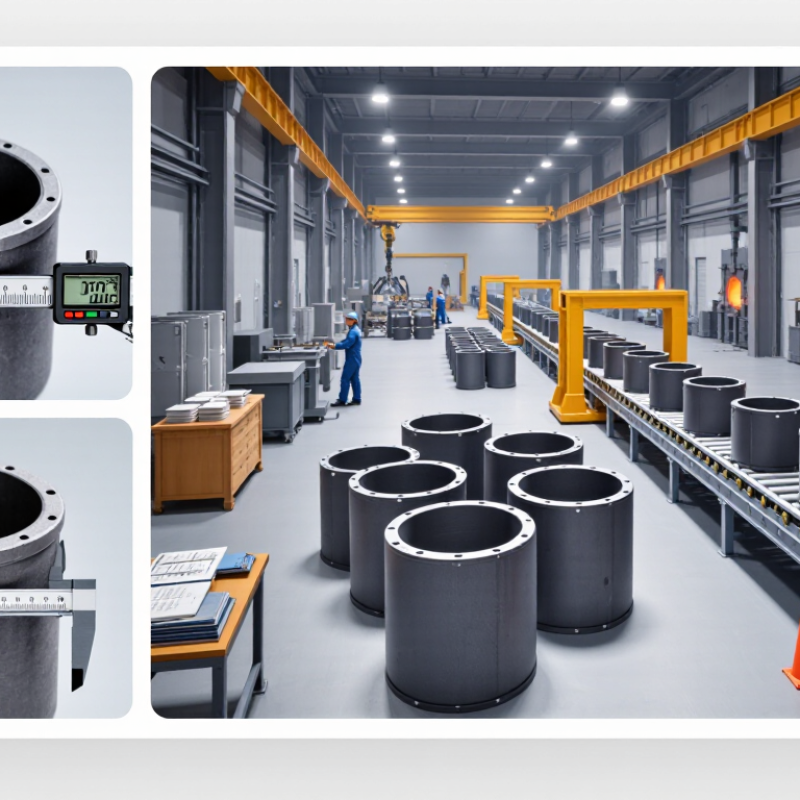
Compare more than the quoted price. Ask for the drum’s material grade, wall-thickness tolerances, machining details, and inspection procedure. A clear drawing revision matters. So does a sample measured at several points, especially around the rim and mounting surfaces. Request recent production records where available, and confirm packaging can protect heavy castings from impact and moisture during transit. Small checks prevent costly surprises.

Tips: Send the same drawing and acceptance criteria to every supplier. Compare lead time, inspection scope, and spare-part support alongside price. If a supplier’s records look complete but one detail remains unclear, ask again; paperwork can still leave gaps. A trial order may reveal issues that a polished quotation cannot.

Leading Foundry Markets by Country

Foundry output offers a broad sourcing context for global cast-iron drum buyers; it is not a count of drum manufacturers or drum-specific production.

2020 casting production, rounded, in millions of metric tons. Source: World Foundry Organization, Census of World Casting Production. Figures cover castings across materials, not cast iron drums alone.

Sourcing, Quality Control, and International Shipping Considerations

Selecting cast iron drum manufacturers starts with a clear specification. Share drawings, dimensions, intended use, machining allowances, and acceptable tolerances before requesting quotations. Ask how the supplier controls melt chemistry, casting defects, hardness, and final machining. Review inspection records and material certificates, then confirm that sample parts match the production process. A low price means little if mounting faces or bore dimensions vary between batches.

Tips: Request a first-article inspection. Check critical dimensions with calibrated tools. Ask for photos of packaging before dispatch. Small details matter.

Before placing a large order, agree on sampling frequency, defect handling, and batch traceability in writing. Cast iron can corrode during long, damp journeys, so discuss dry packaging, suitable protective coatings, and secure blocking to prevent movement. Confirm the packing list, invoice, product description, and shipping marks match the goods. Also clarify delivery terms, insurance responsibilities, and who arranges inland transport. A checklist helps, but it can still miss a practical issue: unloading equipment at the destination. Confirm handling needs early, especially for heavy drums.