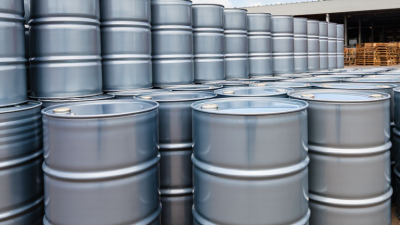
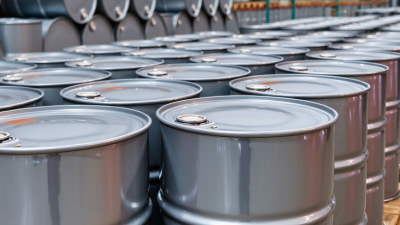
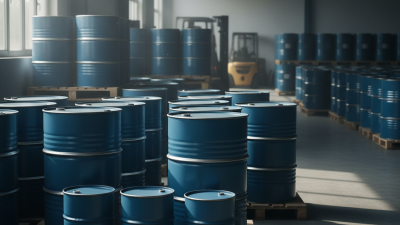
An iron drum can look simple: a steel shell, a lid, and a locking ring. Yet its quoted price depends on details that are easy to overlook. Capacity, steel thickness, coating, closure style, and new or reconditioned condition all affect the iron drum price. Even small differences can make two quotes difficult to compare fairly.
A useful buying decision starts with a clear specification. Note the drum’s intended contents, required capacity, storage conditions, and delivery location. Then ask suppliers to identify what each quote includes, such as closures, interior lining, palletizing, freight, and applicable quality documentation. Details matter. A low unit price may not represent the lowest delivered cost, especially when shipping or handling changes the total. Requesting a sample or product photographs can help, but neither replaces checking specifications and inspecting goods when practical.
The ten tips in this guide focus on comparing offers carefully, negotiating with realistic volume information, and checking supplier reliability before placing an order. Buyers should also confirm that the drum is suitable for its intended use and meets relevant requirements in their market. Price alone cannot show whether a drum will perform well through filling, transport, and storage. That takes time. And, honestly, even experienced purchasers can miss a detail when comparing several bids. A simple checklist can reduce that risk and support a more confident purchase.
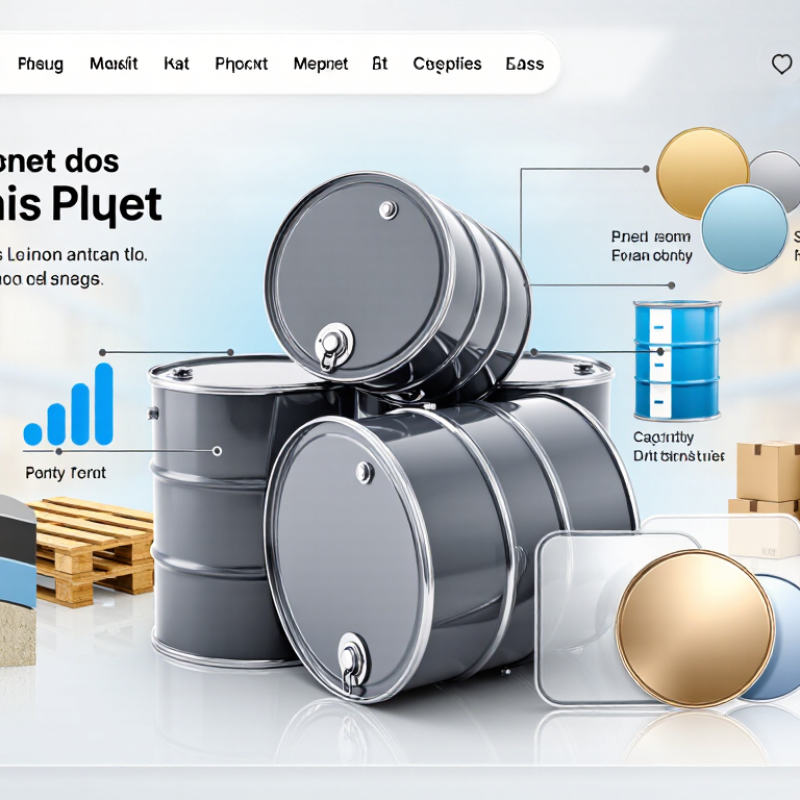
10 Tips to Get the Best Iron Drum Price
An iron drum’s price starts with its construction. Capacity, steel thickness, and body shape affect material use and forming time. A heavier gauge usually costs more, but may resist dents during repeated handling. That difference matters. Ask whether the quoted size refers to usable capacity or total volume. Small wording gaps can complicate comparisons.
Surface treatment is another cost driver. Plain steel, interior lining, and weather-resistant exterior coatings require different materials and production steps. Closure type, gasket quality, and seam consistency also influence price and sealing performance. Check a sample closely. Look for an even coating, clean welds, and a lid that seats without force. These details are easy to overlook in a spreadsheet. In practical inspections, minor finish flaws can suggest uneven process control, though one flaw alone proves little.
Order size, packaging, and delivery distance can shift the final landed cost. A low unit price may exclude pallets, protective wrapping, or freight. Request an itemized quote and compare identical specifications, including tolerances and inspection terms. I would not assume the cheapest offer is automatically poor—or best. Price needs context. Also consider whether drums are new or reconditioned, and confirm the condition standard in writing.
| Price factor | What to compare | Typical options or specifications | Likely price effect | Tip for getting a better quote |
|---|---|---|---|---|
| 1. Capacity and dimensions | Match drum capacity to the product and handling requirements. | Common nominal sizes include 20 L, 60 L, and 200 L (approximately 55 US gal). | Larger drums generally use more material and cost more per unit. | Request the nominal capacity, outside dimensions, and usable fill volume—not capacity alone. |
| 2. Steel thickness and weight | Compare the specified body and end thickness, drum weight, and intended load. | Gauge and construction vary by size, design, and application; confirm the actual millimetre specification. | More steel usually increases material cost and tare weight. | Avoid comparing prices unless the quoted thickness and empty drum weight are stated. |
| 3. Open-head or closed-head design | Choose the closure to suit filling, dispensing, and cleaning needs. | Open-head drums have a removable lid; closed-head drums have fixed ends with openings and closures. | Closure type and hardware can change the specification and price. | Specify lid, gasket, bolt ring or lever-lock ring, and bung sizes where applicable. |
| 4. New or reconditioned condition | Check condition, previous contents, cleaning process, and suitability for reuse. | New drums have not been used; reconditioned drums have been processed for reuse, with practices varying by supplier. | Reconditioned drums may cost less, but condition and permitted use matter. | Ask for a written condition grade and confirm compatibility with the intended contents. |
| 5. Interior lining | Determine whether the contents require an internal coating or an unlined surface. | Lining type should be selected for chemical compatibility and the product’s storage conditions. | A specified lining adds processing and material requirements. | Provide the contents’ compatibility requirements and request coating details, not just “lined.” |
| 6. Exterior finish | Compare finish requirements for storage, handling, and identification. | Options may include a basic protective finish, a specified color, or printed markings. | Custom colors, surface preparation, and printing can add cost. | Use standard finishes where possible and provide artwork and quantity requirements upfront. |
| 7. UN performance requirements | Check whether the specific drum design is approved for the intended dangerous-goods use. | UN packaging markings identify a tested packaging specification; requirements depend on the package and contents. | Testing, documentation, and a required performance level can affect the quote. | Give the supplier the applicable transport and packing requirements; verify markings and supporting documents. |
| 8. Order quantity and packaging | Compare unit pricing at the actual order quantity and delivery arrangement. | Quote quantities may be affected by production batches, pallet configuration, and minimum order requirements. | Larger orders may reduce unit costs, while special packing can add expense. | Request breaks at realistic order volumes and confirm the number of drums per pallet. |
| 9. Freight and delivery terms | Compare the delivered cost, not just the unit price. | Freight depends on origin, destination, shipment size, fuel charges, and delivery access. | Transport can be a substantial part of the total cost, especially for bulky orders. | Ask for the delivery location, freight basis, unloading responsibility, and any accessorial charges to be stated. |
| 10. Quote terms and timing | Check what is included and how long the quotation remains valid. | Taxes, duties, lead time, payment terms, and raw-material adjustments may be quoted separately. | Different inclusions can make apparently similar offers difficult to compare. | Use the same written specification and delivery terms for every quotation; compare the total landed cost. |
Note: Iron drums are commonly made from steel. Specifications and prices vary by supplier, market, order size, and delivery location; request current written quotations for an apples-to-apples comparison.