Understanding lohe ka drum price requires more than checking one online listing. Steel drums may look similar, yet their prices can differ sharply across regions. Capacity, steel thickness, coating, lid design, and manufacturing volume all influence the final figure.
Packaging analyst David J. Platt explains, “A steel drum’s real value depends on protection, consistency, and the cost of moving it.” That point matters when comparing suppliers worldwide. A 200-liter open-head drum may suit solid materials, while a tight-head drum works better for liquids. Food-grade linings, corrosion resistance, and UN-certified construction can raise the purchase price. So can small orders.
Freight changes the calculation.
A supplier in India may offer a lower factory price than one in Germany or the United States. However, shipping distance, insurance, customs charges, and local handling can erase that difference. Reconditioned drums may reduce spending, but their condition and previous use require careful checking. This is where many quick comparisons become unreliable.
This guide examines steel drum prices across major markets and explains what buyers should verify before requesting quotations. It considers new and reconditioned containers, common sizes, regional production costs, and practical delivery details. Prices also move with steel markets, energy expenses, and currency changes. That makes any fixed number temporary.
One limitation deserves attention: online prices rarely show the complete landed cost. Buyers should compare written quotations with specifications, inspection terms, minimum quantities, and delivery conditions. A cheap drum is not always economical. Sometimes, it is simply incomplete pricing.
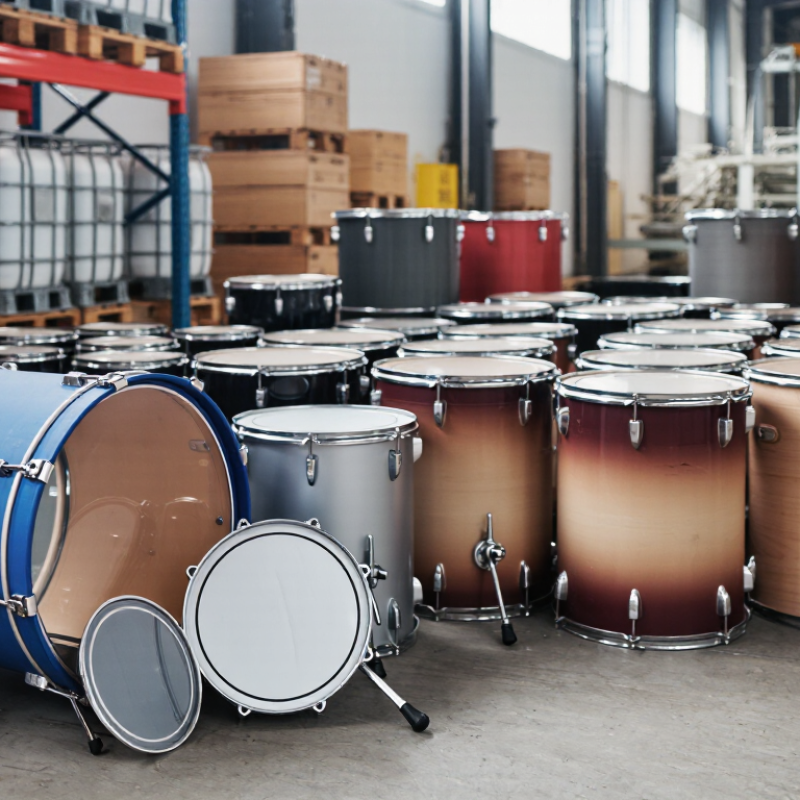
Steel drum prices vary worldwide, but type and intended use often matter more than the listed price. A 200-liter carbon steel drum may cost less than a stainless steel model. Transport distance, wall thickness, coating, and production volume also influence the final amount.
Open-head steel drums have removable lids. They suit solid materials, powders, maintenance parts, and workshop storage. Closed-head drums use fixed tops with small openings. They commonly hold liquids such as oils, cleaning solutions, and industrial fluids. Stainless steel drums resist corrosion and support food, beverage, and pharmaceutical storage. Galvanized drums offer extra surface protection for outdoor or humid environments. Each option has limits.
Price alone is a poor guide. An experienced buyer checks the seam, lid, gasket, interior coating, and drain fittings. Even a new-looking drum may have weak seals or uneven metal thickness. Ask for capacity details, material grade, inspection records, and delivery conditions. For food-related use, request suitable hygiene documentation. Reconditioned drums can reduce costs, but their history requires careful review. I sometimes see buyers choose the cheapest container first. That choice can create higher replacement and transport costs later.
| Steel Drum Type | Typical Capacity | Approx. Dimensions | Indicative Empty-Drum Price* | Construction and Closure | Common Uses |
|---|---|---|---|---|---|
| Open-Head Carbon Steel Drum | 210 L / 55 US gal | Approx. Ø 585–595 mm × 850–900 mm high | US$35–90 | Carbon-steel body with removable lid, lever-lock or bolt-ring closure; often supplied with an internal gasket. | Powders, viscous products, pigments, food ingredients, solid waste and materials requiring easy top access. |
| Tight-Head Carbon Steel Drum | 210 L / 55 US gal | Approx. Ø 585–595 mm × 850–900 mm high | US$40–100 | Permanent closed top with two threaded openings, commonly using plug and gasket assemblies. | Oils, solvents, detergents, liquid chemicals, lubricants and other pumpable liquids. |
| UN-Approved Carbon Steel Drum | 60–210 L / 16–55 US gal | Varies by capacity; 210 L size is usually Ø 585–595 mm × 850–900 mm | US$65–150 | Tested steel packaging manufactured for applicable performance standards; may be open-head or tight-head. | Transport of regulated flammable, corrosive, toxic or environmentally hazardous materials, subject to the required certification. |
| Galvanized Steel Drum | 60–210 L / 16–55 US gal | Common 210 L size: approximately Ø 585–595 mm × 850–900 mm high | US$50–120 | Steel substrate coated with zinc for improved resistance to external corrosion; available with open or closed head. | Outdoor storage, water-based products, non-aggressive chemicals, agricultural materials and general industrial liquids. |
| Epoxy-Lined Steel Drum | 210 L / 55 US gal | Approx. Ø 585–595 mm × 850–900 mm high | US$55–130 | Carbon-steel shell with a protective internal coating selected for product compatibility. | Coatings, resins, dyes, food-related ingredients and chemicals that may react with unlined steel. |
| Stainless Steel Drum | 50–210 L / 13–55 US gal | 210 L size is commonly about Ø 585–595 mm × 850–900 mm high | US$220–600 | Corrosion-resistant stainless-steel body; polished, sanitary or industrial finishes may be available. | Pharmaceuticals, food and beverage ingredients, fragrances, specialty chemicals and high-purity liquids. |
| Small Steel Drum | 30–60 L / 8–16 US gal | Approx. Ø 300–400 mm × 500–700 mm high | US$18–55 | Light- to medium-gauge steel with a removable or fixed head and screw, plug or ring closure. | Sampling, small-batch chemicals, lubricants, paints, maintenance supplies and laboratory materials. |
| Steel Salvage Drum | 210 L / 55 US gal | Approx. Ø 585–595 mm × 850–900 mm high | US$45–120 | Heavy-duty open-head steel drum with a removable cover and secure clamping ring; configuration depends on the waste category. | Collection and transport of industrial waste, contaminated solids, absorbents and maintenance debris. |
*Price ranges are indicative empty-drum prices in US dollars for standard new drums purchased in moderate or bulk quantities. Actual prices vary by region, steel thickness, coating, closure, certification, order volume, freight, taxes and exchange rates. Dimensions are approximate and should be confirmed against the supplier’s technical drawing before purchase.

Steel drum prices vary sharply across markets. A basic 200-liter drum may cost far less than a reinforced industrial model. The final price depends on steel thickness, capacity, surface treatment, and production volume. Thicker steel uses more material and offers better resistance to dents. However, heavier construction also increases freight charges.
Coating is another major cost factor. Galvanized, painted, or epoxy-lined drums require different processing steps. A food-grade or chemical-resistant interior may need stricter quality checks. Closures also matter. Tight-seal lids, threaded fittings, and locking rings add components and labor. In my experience, small design changes can noticeably affect a large order.
Quantity often changes the quotation. Manufacturers usually offer better unit prices for pallet-level or container-level orders. Yet storage, inland transport, customs handling, and currency movement can reduce those savings. Local steel prices also influence regional quotations. Recycled steel content may lower costs, but quality can vary between suppliers. That detail matters.
A low price is not always economical. Thin walls may deform during stacking or transit. I have seen buyers focus on the unit price and overlook replacement costs. That approach deserves reflection. Buyers should compare wall thickness, test records, coating quality, delivery terms, and expected service life. One estimate is never enough. Requesting several comparable quotations creates a more reliable view of the lohe ka drum price.
Lohe Ka Drum Price Top Steel Drum Prices Worldwide?
Steel drum prices vary sharply by capacity, steel grade, lining, and order volume. Current wholesale indications place a new 200-liter drum at about US$55–110 in North America. European buyers commonly see €60–120. Prices in major Asian manufacturing markets often range from US$28–65 before export freight. These figures reflect standard open-head or tight-head drums, not specialized designs.
Prices move weekly. The World Steel Association’s 2024 production data shows continuing differences in regional steel supply, which influence conversion costs. UN Comtrade trade records for 2023–2024 also show that shipping distance and customs value can significantly change the final price. In the Middle East and Africa, practical wholesale prices often reach US$40–90 per drum. Latin American import markets may reach US$50–100, especially when containers, duties, and inland transport are included.
A buyer should compare identical specifications. A painted 200-liter drum with a basic closure can cost far less than a galvanized, lined version. Reconditioned drums may sell below US$35, but their condition and certification require careful checking. Industry packaging assessments from 2024 indicate that small orders usually carry higher unit costs. That comparison is imperfect. Local taxes, pallet quantities, and seasonal steel movements can alter quotations within days. Always request an ex-works price and a delivered price separately.
Indicative prices for a new 200-liter carbon steel drum in major global markets. Values are shown in USD per drum and reflect typical market ranges before freight, taxes, and hazardous-goods certification.
How to read the chart: Each horizontal bar represents the typical low-to-high retail or wholesale price range for standard steel drums. Actual prices vary according to wall thickness, lid type, coating, UN certification, order volume, and local logistics costs.
Lohe Ka Drum Price: Top Steel Drum Prices Worldwide?
Steel drum cost starts with the sheet thickness and total metal weight. A standard 200-liter drum commonly weighs about 18–22 kilograms. World Steel Association data recorded 1.89 billion tonnes of crude steel production in 2023. That scale does not guarantee stable drum prices. Energy, coating, and regional freight costs can change quickly. Thicker walls improve impact resistance, but they raise the purchase price and shipping weight. Thin drums may look economical. They can disappoint during repeated handling.
Capacity also changes the price per usable liter. A 60-liter drum usually costs more per liter than a 210-liter drum. The International Organization for Standardization’s ISO 15750 series covers common steel drum dimensions and closure requirements. These details affect tooling and quality inspection expenses. Open-head designs need removable lids and sealing rings. Closed-head designs use fixed tops with smaller openings. The choice depends on filling equipment and cleaning needs.
Features often create the largest price gap. Interior linings, corrosion-resistant coatings, embossed markings, and reinforced ribs add labor and materials. A 2024 steel packaging market assessment by Freedonia identifies material efficiency, end-use requirements, and transport conditions as important cost factors. Freight can exceed expectations when drums ship empty. That part is often overlooked. Buyers should compare delivered prices, not factory quotes alone. My practical concern is simple: a cheaper drum may require earlier replacement, making the original saving misleading.
Comparing steel drum suppliers worldwide requires more than checking the lowest quoted price. Ask for the steel grade, wall thickness, capacity, closure type, and internal coating. These details affect durability, product protection, and handling safety. A 200-liter drum may appear inexpensive, yet thinner steel can create higher replacement costs. Small differences matter.
Request technical datasheets, recent test reports, and clear product photographs. Reliable suppliers should explain their quality-control process without avoiding specific questions. Check whether drums are tested for leakage, stacking strength, corrosion resistance, and dimensional accuracy. Samples are valuable. Hold one in your hands, inspect the seams, and measure the opening. Online images can hide rough edges or uneven welds.
Compare the complete landed cost, not only the factory price. Include packaging, freight, insurance, customs charges, inspection fees, and delivery time. A supplier with a higher unit price may offer stronger packaging and fewer damaged units. Communication also reveals practical experience. Do they answer quickly and explain limitations honestly? One common mistake is trusting a polished quotation too early. Specifications may still be incomplete. Keep a written comparison sheet for every supplier, including payment terms, replacement procedures, production capacity, and estimated lead times. Recheck the figures before approval. Mistakes happen.