10 Essential Tips for Using an Empty Iron Drum Efficiently and Safely
In the world of industrial storage and transportation, the significance of an empty iron drum cannot be overstated. Experts like David Thompson, a seasoned engineer with over two decades of experience in the manufacturing sector, emphasize the importance of handling these drums effectively. "Understanding the proper utilization and safety measures when dealing with empty iron drums can prevent accidents and maximize efficiency," he states. With increasing regulations and safety protocols, it is crucial for businesses to adopt best practices when using these versatile containers.

From construction sites to manufacturing plants, empty iron drums find their place in various industries, serving as valuable assets for storage and transport. However, improper handling can lead to accidents, inefficiencies, and even environmental hazards. This article will delve into ten essential tips for utilizing empty iron drums safely and efficiently, ensuring that businesses not only abide by the necessary guidelines but also enhance their operational productivity. By integrating expert advice and strategic approaches, organizations can transform these often-overlooked components into pivotal elements of their workflow.
Understanding the Safety Precautions for Handling Empty Iron Drums
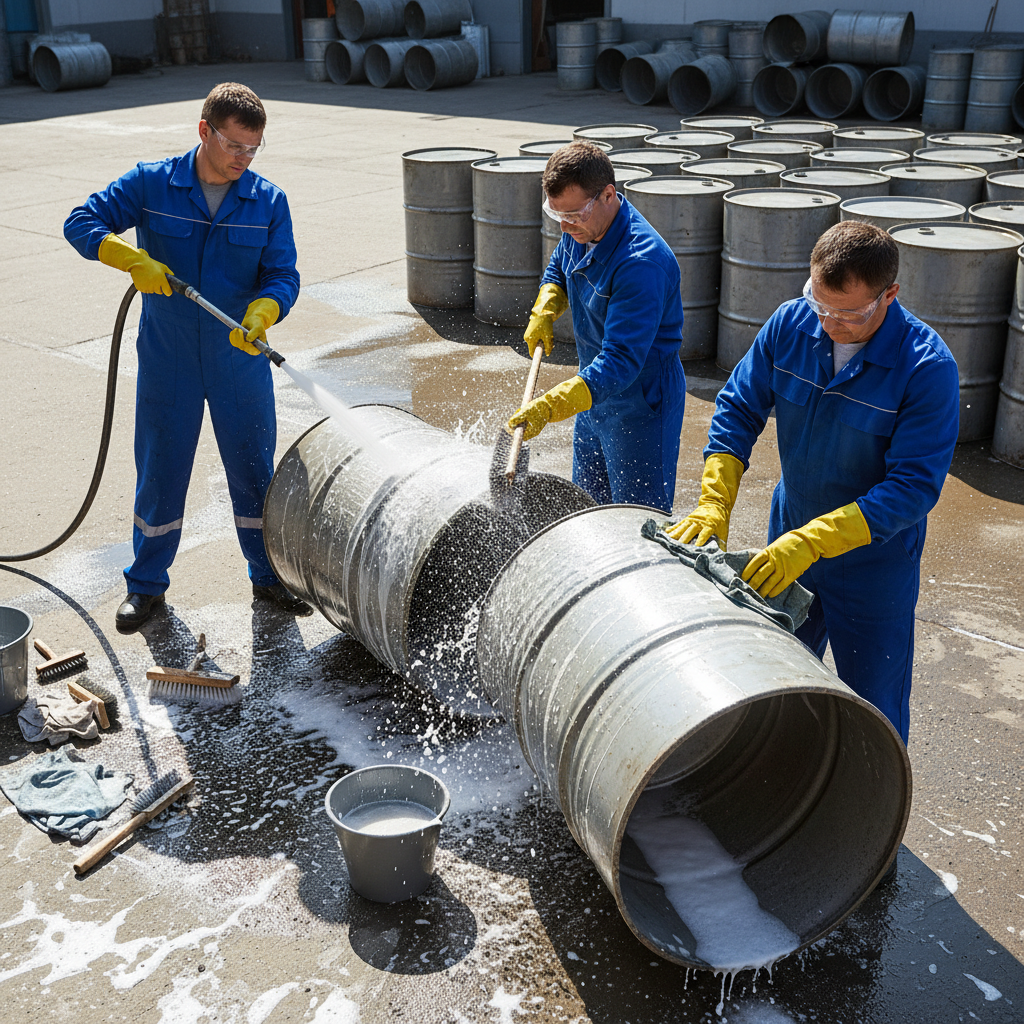
When handling empty iron drums, safety should always be a top priority. One key precaution is to ensure that the drum is completely empty before moving it. Residual materials can pose significant hazards, so it's essential to inspect the drum thoroughly. Additionally, always wear protective gear, including gloves and safety glasses, to prevent injury from sharp edges or contaminants.
To use an empty iron drum efficiently, consider repurposing it for storage. These drums are sturdy and can be ideal for holding tools or materials securely. Ensure that your items are not too heavy, as the weight could affect the drum’s stability when moved. Employ a dolly or forklift for transport, and make sure to stack drums safely if storing them. This will help prevent accidents and make your workspace more organized.
Another important tip is to label your drums. Even when empty, having labels can help you track what was previously in the drum and its designated use. This practice can save time and ensure that everyone in the workspace understands safety and handling protocols. Prioritize organization and proper handling to maximize both safety and efficiency with empty iron drums.
Maximizing Storage Space: Organizing Your Empty Iron Drum
When it comes to maximizing storage space with empty iron drums, proper organization is crucial. According to a 2020 survey by the Industrial Storage Association, around 30% of businesses reported inefficient use of storage space, leading to increased operational costs. A well-organized system can not only save you money but also enhance safety and accessibility in your workspace.
Start by categorizing your drums based on their size and content type, ensuring that similar items are grouped together. Utilizing shelving systems or racks specifically designed for industrial drums can further optimize vertical space and make retrieval easy.
Moreover, labeling each drum clearly can significantly reduce the time spent searching for specific items. A study by the National Institute of Standards and Technology revealed that proper labeling can improve inventory management efficiency by up to 25%. Consider using color-coded labels or QR codes that link to an inventory database to streamline the identification process.
By implementing these organizational strategies, you can create an efficient and safe environment that maximizes the utility of your empty iron drums, turning them into valuable assets rather than clutter.
Creative Uses for Empty Iron Drums in DIY Projects
Empty iron drums are often underappreciated in DIY projects, yet they can be creatively repurposed in numerous ways. According to a report by the Environmental Protection Agency, approximately 10 million tons of steel are recycled each year in the U.S., a significant portion of which comes from industrial containers like iron drums. This recycling trend not only conserves resources but also encourages innovative uses. For instance, these drums can be transformed into raised garden beds, providing an excellent way to grow vegetables while ensuring proper drainage. A study by the University of Maryland Extension highlights that utilizing recycled materials in gardening projects can enhance soil quality and promote sustainability.
Moreover, empty iron drums can serve as unique furniture pieces or decorative elements in both indoor and outdoor spaces. By cutting and repurposing them, you can create everything from stylish coffee tables to vibrant outdoor fire pits. According to the Home Improvement Research Institute, the DIY furniture market has seen a 27% growth over the last five years, with many consumers seeking budget-friendly and personalized solutions. Additionally, using iron drums in this manner not only reduces waste but also allows individuals to express their creativity while contributing to a more sustainable environment.
10 Essential Tips for Using an Empty Iron Drum Efficiently and Safely
| Tip |
Description |
Safety Considerations |
Creative Uses |
| 1. Clean Thoroughly |
Ensure to remove any residues to prevent chemical reactions. |
Use gloves and goggles during cleaning. |
Storage for garden tools. |
| 2. Seal Tight |
Make sure the drum is properly sealed after use to avoid leaks. |
Check regularly for rust or wear. |
Rainwater collection system. |
| 3. Use as a Fire Pit |
Transform into a fire pit for outdoor gatherings. |
Ensure there’s adequate ventilation. |
Backyard entertainment. |
| 4. Make a Planter |
Cut and paint the drum to serve as a unique planter. |
Drill drainage holes to prevent water buildup. |
Creative gardening. |
| 5. Create a Storage Unit |
Repurpose the drum for storing tools, toys, or firewood. |
Ensure it’s in a stable location. |
Organized storage. |
| 6. Build a Barbecue Grill |
Convert the drum into a portable BBQ grill. |
Ensure proper air flow for combustion. |
Outdoor cooking. |
| 7. Wind Chimes |
Cut pieces to create musical wind chimes. |
Be cautious with sharp edges. |
Decorative art. |
| 8. Rain Drum |
Create an instrument for rhythm using an open drum. |
Regularly inspect for rust. |
Music and entertainment. |
| 9. Use for Composting |
Turn into a compost bin for yard waste. |
Ensure it’s sealed properly to avoid odors. |
Eco-friendly project. |
| 10. Arts and Crafts |
Use drum parts for various DIY craft projects. |
Wear protective gear when cutting. |
Creative expression. |
Cleaning and Maintenance Tips for Empty Iron Drums
When it comes to empty iron drums, proper cleaning and maintenance are crucial to ensure their longevity and efficiency. Regularly cleaning these drums is essential to prevent rust and residue buildup, which can compromise their structural integrity. A simple rinse with water can help remove any loose debris. For persistent stains or residues, a mixture of warm water and a mild detergent can be effective. Remember, after washing, it is important to dry the drum completely to avoid moisture retention that could lead to rust.
In addition to regular cleaning, it's important to conduct periodic checks for any signs of wear or damage. Inspect the drum's seams and edges for any cracks or corrosion, which could pose safety hazards. Keeping the drum in a dry, well-ventilated area further helps in minimizing rust risks. By following these cleaning and maintenance tips, you not only extend the life of your iron drum but also ensure that it remains a safe and reliable container for your needs.
Recycling and Disposal Best Practices for Iron Drums
When it comes to recycling and disposing of empty iron drums, it is crucial to adhere to best practices to minimize environmental impact. According to the Environmental Protection Agency (EPA), improper disposal of industrial containers, including iron drums, can lead to soil contamination and hazardous chemical leaks. In the United States alone, approximately 18 million tons of metal are recycled every year, and responsible disposal methods for iron drums can significantly contribute to this figure. Before recycling, it's essential to ensure that all residues are properly removed, as any remaining substances may render the drum unsuitable for recycling.
Iron drums should not just be discarded; instead, they should be sent to licensed recycling facilities where they can be processed and repurposed. The Steel Recycling Institute notes that recycled steel saves about 74% of the energy required to create new steel from raw materials. To facilitate this process, businesses should establish clear protocols for the collection and transportation of empty iron drums, ensuring they follow local regulations and guidelines. By efficiently utilizing recycling services, companies can not only comply with environmental regulations but also support sustainable practices within their industry.