What is the Current Iron Drum Price and Factors Influencing It?
The iron drum price fluctuates significantly in today's market. Understanding these changes requires considering various influencing factors. These factors include supply chain dynamics, raw material costs, and demand trends.
In recent months, prices have shown unexpected volatility. This uncertainty stems from global economic conditions and disruptions in manufacturing. Additionally, raw material shortages have led to price increases. However, consumer demand remains a critical element shaping the market.
As experts analyze current trends, they note an ongoing need for adaptability. Buyers and sellers must remain vigilant to respond to changes. Evaluating the iron drum price involves more than just looking at numbers; it requires insight into broader economic indicators. This complexity makes it clear that a single factor rarely dictates pricing alone.
Current Market Price of Iron Drums
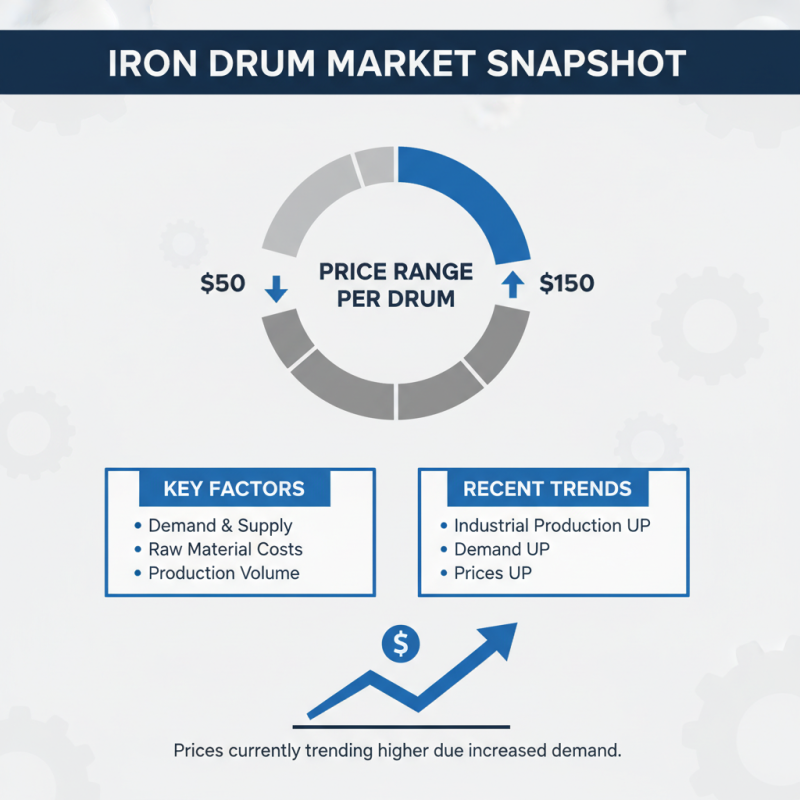
The current market price of iron drums varies significantly based on several factors. Typically, iron drum prices range between $50 to $150 each. These prices fluctuate due to changes in demand and supply dynamics. Recently, a surge in industrial production has increased demand, causing prices to rise.
Various factors influence the cost of iron drums. Raw material prices play a crucial role. When iron ore prices climb, the cost of manufacturing drums increases. Additionally, transportation costs affect pricing as well. A rise in fuel prices can lead to higher delivery fees. These economic shifts can pressure both buyers and sellers in the market.
Supply chain disruptions add another layer of complexity. Events like natural disasters or political unrest can hinder production. This leads to reduced availability, further elevating prices. Customers often feel the impact directly when trying to purchase new iron drums. Reflections on these issues reveal the interconnectedness of market factors. Understanding them can help businesses navigate challenges more effectively.
Historical Trends in Iron Drum Prices
Iron drum prices have experienced notable fluctuations over the years, driven by various economic factors.
In 2021, the average price per ton rose to approximately $800, marking a 15% increase from the previous year.
This surge was partly attributed to rising steel costs and growing demand in Asia, particularly in manufacturing sectors.
However, the market faced challenges, such as supply chain disruptions caused by the pandemic.
Historically, iron drum prices have been influenced by raw material availability.
From 2015 to 2019, prices remained relatively stable, averaging around $600.
Unexpected spikes occurred in 2018 due to tariffs and trade policies.
In 2022, the industry saw a dip as demand softened.
Reports indicate that global economic conditions and environmental regulations play crucial roles in shaping these trends.
Understanding these patterns helps industry players make informed decisions.
Key Factors Affecting Iron Drum Pricing
The pricing of iron drums fluctuates significantly, influenced by various factors. One primary factor is the cost of raw materials. Iron ore prices can vary based on global demand and supply. When demand surges, costs often rise. Conversely, a drop in demand can lead to lower prices.
Another critical influence is production capacity. If factories are at full capacity, they may increase prices. Limited production can cause shortages in the market. Additionally, transportation costs also play a role. Rising fuel prices can elevate overall expenses. This, in turn, affects the final price of iron drums.
Market competition is another factor. When many suppliers operate, prices tend to stabilize or drop. However, fewer competitors can lead to inflated prices. Seasonal trends also matter. For instance, demand might spike during specific industries' peak seasons. Understanding these intricate factors provides clarity on iron drum pricing. The continual changes require businesses to remain flexible.
Regional Price Variations for Iron Drums
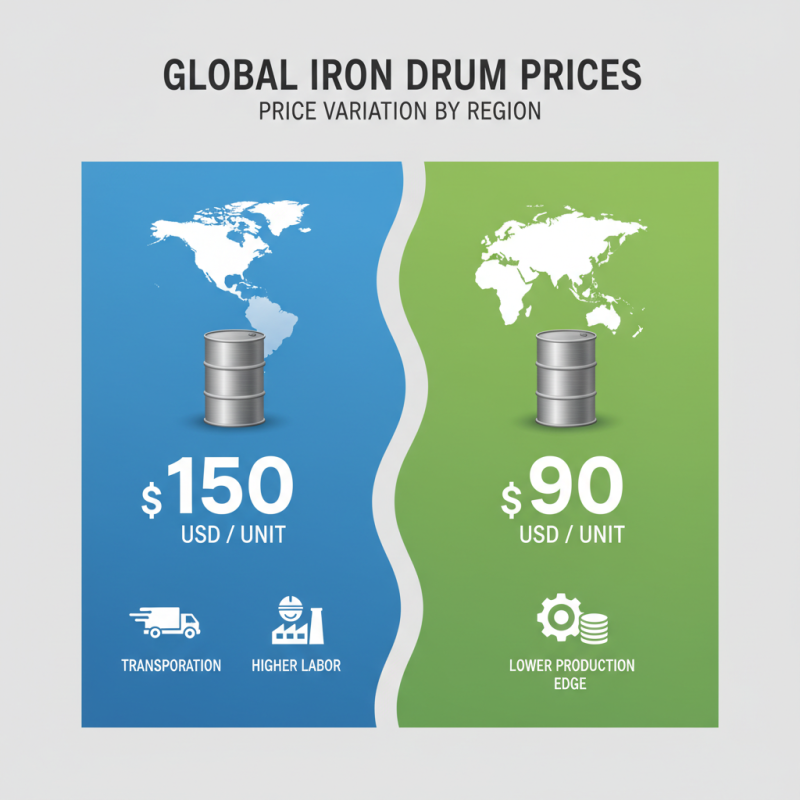
The price of iron drums varies significantly by region. In North America, prices hover around $150 per unit. This is largely due to transportation costs and higher labor rates. Conversely, in Asia, prices can drop to as low as $90. Lower production costs give Asian manufacturers a competitive edge in global markets.
Local demand also plays a crucial role. For instance, the European market often demands high-quality drums, leading to higher prices. Reports indicate that regional regulations can increase costs too. Environmental standards in Europe tend to be stricter. They impact production methods, adding to expenses.
Some regions suffer from supply chain disruptions. Natural disasters or geopolitical tensions can escalate prices quickly. In Africa, the lack of infrastructure complicates logistics. This results in inflated costs. Understanding these regional dynamics can be complex. Buyers often need to stay vigilant and informed to navigate the fluctuating market.
Future Outlook for Iron Drum Prices
The future outlook for iron drum prices hinges on various market dynamics. Demand from industries such as construction and manufacturing remains robust. This strong demand often results in price surges. However, fluctuations in raw material costs can complicate predictions. Rising costs for steel and other inputs might squeeze profit margins.
Supply chain challenges also play a significant role. Transport issues can delay shipments, causing shortages. Such shortages could drive prices higher than expected. On the other hand, if manufacturing capacity expands, it might stabilize prices. Many producers are wrestling with this balance right now.
Investors must keep an eye on global economic trends. An unpredictable economy can lead to abrupt shifts in iron drum pricing. Geopolitical tensions could further disrupt the market. It’s also essential to consider environmental regulations. Stricter policies may impact manufacturing costs. Navigating these uncertainties is crucial for stakeholders.
Current Iron Drum Prices and Influencing Factors
The chart above illustrates the current prices of iron drums over the course of 2023. Prices fluctuate due to various factors such as raw material costs, supply chain disruptions, and demand from industries like manufacturing and packaging.