How to Choose 304 Stainless Steel Flanges for Your Needs?
Choosing the right 304 Stainless Steel Flanges is crucial for many industrial applications. These flanges are widely used due to their excellent corrosion resistance and versatility. However, selecting the right type can be challenging. It requires a good understanding of specific requirements and environmental conditions.
When evaluating 304 Stainless Steel Flanges, consider factors like pressure ratings and compatibility with existing systems. Each flange serves a unique purpose, and the wrong choice can lead to leaks or failures. The expertise of your supplier can significantly impact your selection process.
Additionally, while 304 stainless steel is a robust material, not all applications may favor it. In some cases, higher grades might be necessary. Reflecting on these elements can enhance your decision-making. Ultimately, a thoughtful approach ensures that your choice of 304 Stainless Steel Flanges meets your operational needs efficiently.
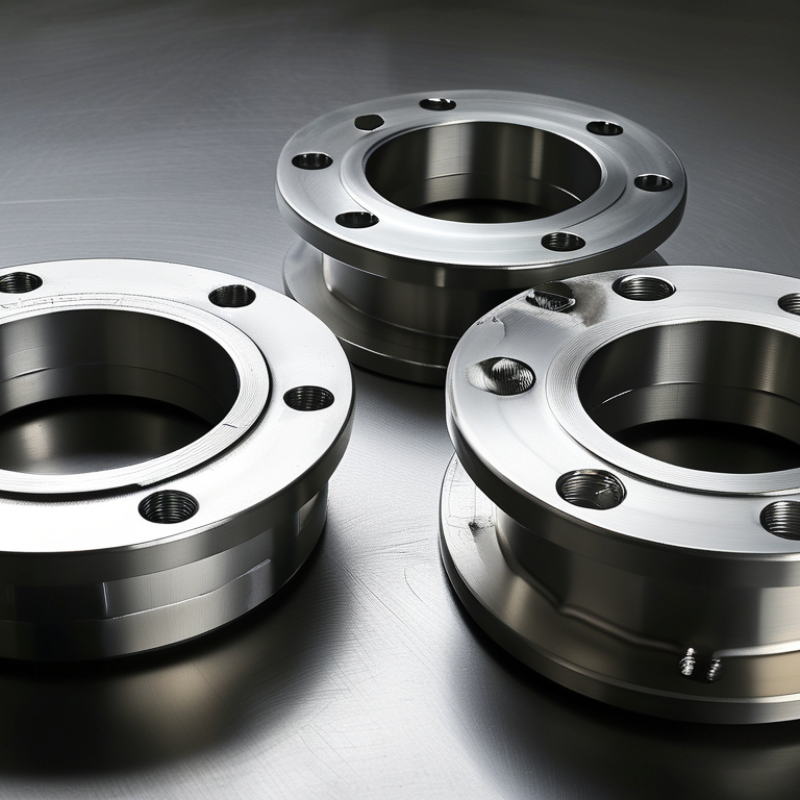
Understanding the Composition and Properties of 304 Stainless Steel
304 stainless steel is a popular choice in various industries. Its composition includes 18% chromium and 8% nickel, giving it high corrosion resistance. This steel can withstand temperatures up to 870°C (1600°F) in continuous service. Such properties make it suitable for environments where exposure to moisture is common.
However, 304 steel is not entirely immune to corrosion. Areas with high chloride concentrations can lead to pitting attacks. The alloy’s mechanical strength is decent, with a yield strength around 215 MPa (31,000 psi). It can be easily formed and welded, making it versatile. Many applications favor it for its aesthetic appeal as well.
Reliability is a crucial factor when choosing flanges. Compatibility with your system’s physical demands is essential. In certain situations, 304 stainless steel may not perform as expected. Always evaluate the specific conditions of your project. Understanding the limits of 304 stainless steel is necessary for optimal performance.
Evaluating the Different Types of Flanges and Their Applications
When selecting 304 stainless steel flanges, it’s essential to evaluate various types and their specific applications. Common types include slip-on, blind, and weld neck flanges. Each type serves a unique function in piping systems. Slip-on flanges are easily installed and are often used in low-pressure applications. Blind flanges, as the name suggests, are used to seal off piping ends. Weld neck flanges provide strength and are suitable for high-pressure scenarios. According to industry reports, the demand for stainless steel flanges is projected to grow by 5% annually through 2027.
Understanding the specific application is crucial. For example, applications in chemical processing require flanges that can withstand corrosive environments. A recent study showed that the right flange can reduce maintenance costs by up to 20%. It’s also important to consider factors like temperature and pressure ratings. These can significantly impact the performance and longevity of your piping system.
Tip: Always consult technical specifications when making your choice. It ensures you select the right type for your project needs. Assess your system's requirements before purchasing. This helps avoid costly mistakes.
Tip: Regular maintenance checks on installed flanges can prevent unexpected failures. Look for corrosion or deformation, as these can lead to leaks. Proper monitoring means enhancing your system's reliability.
Assessing Pressure Ratings and Temperature Resistance in Flanges
When selecting 304 stainless steel flanges, pressure ratings and temperature resistance play crucial roles. These properties determine the flange’s performance in various applications. Pressure ratings indicate how much pressure the flange can handle without failing. Selecting a flange that meets your specific pressure requirements is essential for safety and efficiency.
Temperature resistance is equally important. 304 stainless steel offers good resistance to elevated temperatures, but it is not infallible. It may become brittle under extreme conditions. Knowing your operating environment helps in choosing the right flange. Consider extremes your flange could face.
Tips: Always verify the temperature limits. Perform periodic checks for wear and tear. Ensure gaskets fit well to prevent leaks. Assessing the application’s demands will lead to better flange choices. When in doubt, consult experts for detailed advice tailored to your needs.
Key Considerations for Size and Dimensions in Flange Selection
When selecting 304 stainless steel flanges, size and dimensions play a crucial role. Assessing the pipe diameter is essential. Flanges must match the pipe sizes for proper fitting. Inconsistent dimensions can lead to leaks or failures.
Tip: Always measure your pipes before purchasing flanges. Flange faces should align precisely. The thickness and bolt hole specifications matter, too. Misaligned or incorrectly sized flanges can compromise your system performance.
Consider the pressure requirements of your application. Higher pressure demands a robust flange design. Not all environments are suited for standard dimensions. Sometimes, custom-sized flanges are necessary.
Tip: Consult with a professional for specific needs. They can provide invaluable insights. Ultimately, dimension correctness ensures structural integrity and safety. Don't overlook the details; they can make or break your project.
Analyzing the Importance of Certification and Compliance Standards
When selecting 304 stainless steel flanges, compliance with certification standards is crucial. These standards ensure that the flanges meet specific quality benchmarks. According to the American Society for Testing and Materials (ASTM), proper certification guarantees durability and corrosion resistance. A flange that lacks certification may not perform as expected, impacting the entire system's integrity.
Industries rely on rigorous compliance standards for safety and reliability. A 2021 report from the International Stainless Steel Forum (ISSF) showed that certified stainless steel products had a 15% lower failure rate than non-certified counterparts. This disparity emphasizes the need for selecting compliant flanges. The risks associated with using unverified materials can lead to costly repairs and safety concerns.
Understanding the certifications, such as ISO 9001 or ASTM 940, is essential. These certifications indicate stringent testing for quality assurance. However, not all suppliers offer full transparency regarding their certifications. Inconsistent documentation can lead to doubts about the material’s reliability. Therefore, asking for and verifying documentation is a practical step in the procurement process. Keep in mind that a focus on certified products may sometimes be overlooked, but it can significantly impact project success.
Importance of Certification and Compliance Standards for 304 Stainless Steel Flanges