How to Choose the Best Bus Handrail Tubing for Your Needs?
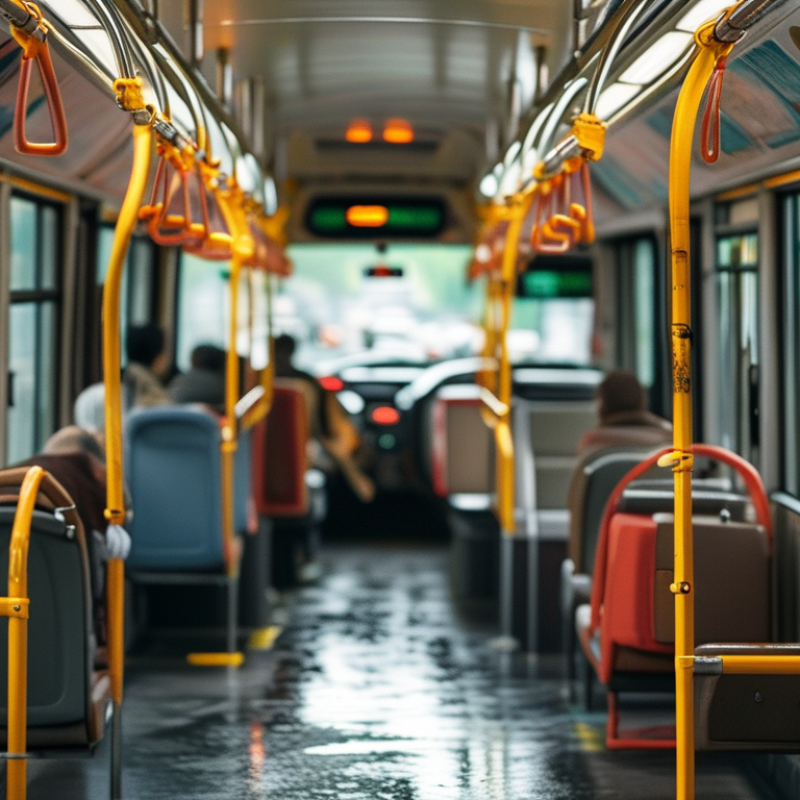
Choosing the right Bus Handrail Tubing is essential for ensuring passenger safety and comfort. Handrails play a crucial role in providing support, especially during sudden stops or turns. Understanding the materials and designs available will help you make an informed decision.
When selecting Bus Handrail Tubing, consider durability and grip. Stainless steel is a popular choice due to its strength and resistance to corrosion. However, rubber coatings can enhance grip, especially in wet conditions. The type of bus and its passenger demographics also influence the best option. For instance, a bus serving the elderly may require a different design than one used for schoolchildren.
It's important to acknowledge that what works for one bus may not suit another. Regular assessments and user feedback can guide future selections. This process may seem daunting, but the right handrail tubing ultimately promotes a safer, more accessible environment. Choose wisely, as the best Bus Handrail Tubing will support both functionality and aesthetics.
Understanding the Importance of Bus Handrail Tubing Selection
When selecting bus handrail tubing, understanding its importance is crucial. Handrails play a vital role in ensuring passenger safety. They provide support for standing passengers during transit. Choosing the right tubing can significantly impact the overall safety and comfort of the ride. Inadequate handrail design can lead to accidents.
Material selection is fundamental. Stainless steel and aluminum are popular choices. They offer durability against wear and tear. However, weight should also be considered. Lightweight materials ease installation, but they may not be as sturdy. Evaluate the environment where the bus will operate. Outdoor exposure can affect material integrity over time.
Tips: Assess the grip of the tubing. A textured surface can enhance safety. Consider the diameter as well; it should fit most hand sizes comfortably. Regular inspections of the handrail condition are vital. Look for any corrosion or damage that could compromise safety. Ensuring the right choice will not only comply with safety standards but also improve passenger experience.
Material Options for Bus Handrail Tubing: A Comprehensive Guide
When selecting bus handrail tubing, material choice is crucial. Different materials provide varying levels of durability, resistance, and aesthetics. Stainless steel is a popular option due to its strength and corrosion resistance. It offers a sleek, modern look that many bus manufacturers prefer. Aluminum is lightweight and cost-effective, making it suitable for budget-conscious projects. However, its strength may not match that of steel.
Plastic tubing is another choice. It is often used for its affordability and vibrant color options. However, it may not withstand heavy use or extreme weather conditions. Each material has its pros and cons; understanding these can help in making informed decisions.
Considering user safety is vital. A sturdy handrail can prevent accidents, but it must be comfortable to grip. The right material impacts not just durability but also user experience. For instance, a cold metal rail may be uncomfortable in winter. Regular inspections are necessary to ensure the handrails remain safe. Balancing aesthetics, functionality, and safety is key in material selection.
Evaluating Durability and Safety Standards for Handrail Tubing
When selecting bus handrail tubing, durability and safety standards are paramount. Handrails must withstand daily wear and tear. They should endure harsh weather and frequent use by passengers. Material choice plays a crucial role. Stainless steel is often recommended due to its resistance to corrosion. This increase in longevity provides a safer environment for passengers.
Evaluate the safety standards applicable to handrail tubing. Look for materials that comply with industry regulations. These standards typically address impact resistance and load-bearing capabilities. Testing should confirm that the handrails can handle sudden forces without failure. Insufficiently tested materials may pose risks. Regular inspections can identify wear that compromises safety.
Consider the environment in which the handrail will be used. Areas with high humidity or saltwater exposure require special attention. Sometimes, even high-quality materials degrade faster than expected. Reflecting on past choices can lead to better decisions. In this way, bus operators can ensure passenger safety while minimizing maintenance issues.
Assessing Cost and Budget Considerations for Handrail Tubing
When selecting bus handrail tubing, cost and budget are critical factors to consider. It's easy to overlook these aspects. Handrail tubing can vary significantly in price, depending on materials and manufacturing processes. Steel, aluminum, or plastic options come with different price tags. Weighing these choices against your budget is essential.
The quality of the tubing should not be sacrificed for savings. Inexpensive options may lead to safety concerns. Durability is often tied to price. Choosing a lower-cost solution might end up costing more in repairs later. Assessing the long-term costs versus the initial investment is vital.
While shopping around, pay close attention to craftsmanship and finish. A lower-quality finish can affect performance and lifespan, but the initial costs may seem appealing. High-quality handrail tubing provides safety and reassurance. It’s worth contemplating whether upfront savings will lead to future expenses. Balancing budget constraints with quality requirements might take extra time and effort. But this careful consideration can lead to better choices for your specific needs.
How to Choose the Best Bus Handrail Tubing for Your Needs? - Assessing Cost and Budget Considerations for Handrail Tubing
| Material Type | Cost per Meter (USD) | Durability Rating | Weight (Kg per Meter) | Corrosion Resistance | Installation Difficulty |
| Stainless Steel | $30 | High | 2.5 | Excellent | Moderate |
| Aluminum | $20 | Moderate | 1.5 | Good | Easy |
| PVC | $10 | Low | 1.0 | Fair | Very Easy |
| Fiberglass | $25 | High | 1.8 | Good | Moderate |
| Carbon Steel | $15 | Moderate | 2.0 | Poor | Difficult |
Installation and Maintenance Tips for Bus Handrail Tubing
When selecting bus handrail tubing, proper installation and maintenance are crucial for safety and durability. Industry standards suggest using materials such as stainless steel or aluminum, which offer excellent corrosion resistance. However, not all tubing is created equal. A 2022 report by the American Public Transportation Association highlights that nearly 30% of bus accidents are related to insufficient handrail support. This stark statistic underscores the importance of not only choosing the right tubing but ensuring it is properly installed.
Installation should follow manufacturer guidelines to secure a lasting fit. The tubing must be mounted at a comfortable height to assist passengers effectively. It's vital to regularly inspect the tubing for any signs of wear or rust. A 2021 study by the National Safety Council indicated that 15% of reported bus safety issues were due to improperly maintained handrails. Checking for loose fittings or degradation weekly can mitigate risks.
Since the environment affects tubing, adjusting maintenance schedules based on location is wise. In coastal areas, for instance, salt exposure can lead to rapid corrosion. The cyclical nature of maintenance can be tedious, yet it’s essential for long-term safety. Regular cleaning with non-abrasive materials helps maintain both appearance and function. A proactive approach can greatly enhance passenger confidence and reduce liability concerns.
Bus Handrail Tubing Selection: Material Durability and Cost Analysis