How to Find the Best Iron Drum Price for Your Business?
Finding the best iron drum price for your business can be challenging. Iron drums are essential for various industries, from manufacturing to food storage. Understanding the market trends is crucial for making informed decisions. Prices vary significantly based on quality, supplier, and order volume.
To navigate this landscape effectively, it's important to gather information from multiple sources. Reliable suppliers often provide specific details about pricing based on their production methods. Comparing those details helps you assess value versus cost. It's also wise to check online reviews and ratings of suppliers.
Moreover, flexibility in order size may influence the iron drum price. Some suppliers offer lower rates for bulk purchases, while others might not. Understanding your business's unique needs can lead to better choices. Reflecting on past purchases may reveal patterns that help refine your decision-making process. Taking the time to research thoroughly could lead to healthier margins and a stronger supply chain.
Understanding the Types of Iron Drums and Their Applications in Industry
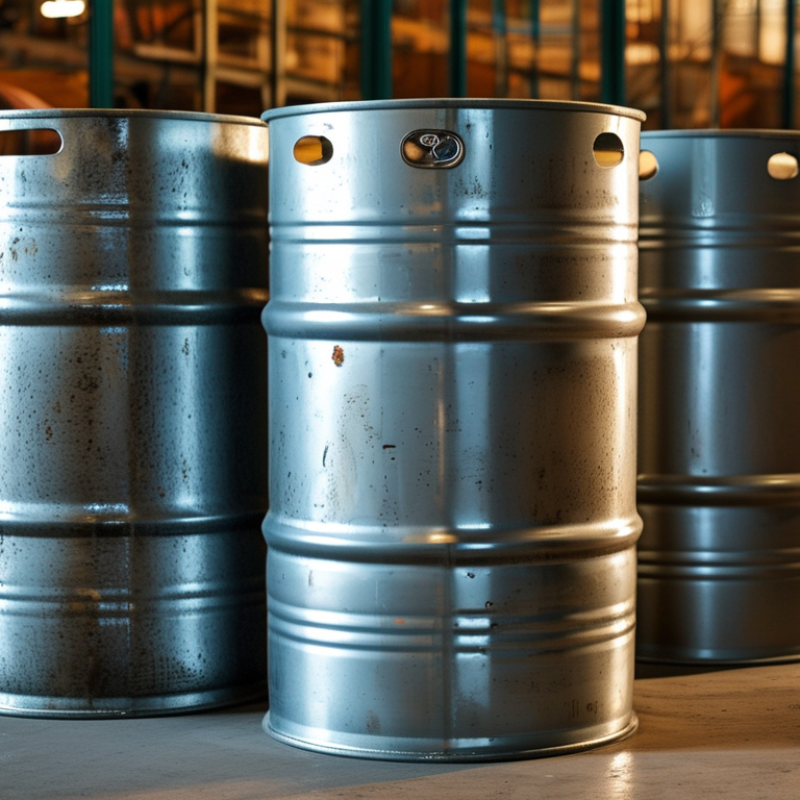
Iron drums are essential in various industries, including chemical, food, and manufacturing. Different types of iron drums are available, each designed for specific applications. For example, standard 55-gallon drums are widely used for storing liquids, while smaller 30-gallon drums serve better in compact spaces. According to a report from the International Organization for Standardization (ISO), around 70% of hazardous materials are stored in such containers, emphasizing their importance.
When selecting an iron drum, consider the material's durability and resistance to corrosion. Galvanized iron drums are popular in industries where moisture exposure is common. Additionally, the United Nations has established standards for packaging hazardous substances. These standards ensure that drums meet specific performance requirements, reducing risks associated with leaks or spills. However, it's essential for businesses to review these guidelines regularly. Adhering to outdated standards can lead to significant liabilities.
Pricing can vary significantly based on the type, material, and compliance with regulations. Industry reports have shown that prices may range from $30 to $150 per drum. Factors influencing cost include the manufacturing process and market demand. It’s crucial for businesses to evaluate their needs carefully. Too often, companies overpay for drums without fully understanding their applications. Striking a balance between quality and cost-effectiveness is vital for sustainable operations.
Analyzing Market Trends: Current Prices for Iron Drums Across Regions
When examining current prices for iron drums, it is crucial to analyze market trends by region. Recent reports indicate that prices for industrial iron drums vary significantly worldwide. For instance, in North America, businesses often see an average price range between $80 to $120 per drum. This fluctuation is influenced by factors like demand, availability, and fluctuating raw material costs. Industry data shows that over the last year, demand has surged by 15% in this region, partially due to increased manufacturing activities.
In contrast, European markets present a wider price spectrum. Reports indicate that prices can climb to $150 in Western Europe, driven by stricter environmental regulations and increased costs for compliance. However, Eastern Europe shows more competitive pricing, with averages around $90. This regional disparity poses challenges for businesses aiming to streamline their supply chains. Understanding these dynamics aids businesses in negotiating better prices.
Moreover, global supply chain disruptions have recently impacted pricing structures. According to industry insights, transportation costs have risen sharply, affecting overall pricing strategies. Companies must also consider currency fluctuations, as they can influence procurement costs. Successful sourcing requires not only awareness of these trends but also a willingness to adapt. This flexibility can provide a competitive edge in a fluctuating market.
Factors Affecting Iron Drum Pricing: Material Quality and Manufacturing Costs
When considering the price of iron drums, understanding material quality is vital. Higher-grade steel typically results in greater durability. This means fewer failures and less downtime. However, quality often comes at a cost. Cheaper materials might save money upfront, but could lead to problems later. Businesses need to weigh the upfront savings against potential repair costs.
Manufacturing costs also significantly influence pricing. Efficient production techniques can lower prices. Conversely, custom designs or added features increase expenses. It’s essential to evaluate what you truly need. Not every business requires the same specifications. Misjudging this can lead to unnecessary spending or purchasing subpar products.
Purchasing decisions are often driven by price alone. However, this narrow focus can be misleading. It opens the door to unreliable suppliers. A balance must be struck between cost, quality, and reliability. An awareness of these factors ensures smarter buying decisions and protects business investments over time.
Comparing Suppliers: Evaluating Quality, Price, and Service Agreements
When comparing suppliers for iron drums, evaluating quality, price, and service agreements is crucial. According to industry reports, the average price of iron drums ranges from $80 to $150 per unit, depending on specifications and bulk orders. Suppliers that offer bulk discounts often provide better pricing but may vary in quality. Scrutinizing the materials used and the manufacturing process can reveal a lot about a supplier's standards.
Understanding service agreements is equally important. Many suppliers may offer warranties or after-sales services that could save money in the long run. A 2022 survey indicated that 40% of businesses experienced issues due to inadequate service agreements during their purchasing process. It's vital to consider not only the price tag but also the supplier's reputation for reliability and support. Each supplier provides different terms, which may affect overall costs and service reliability.
Quality assurance processes are another factor to consider. Roughly 25% of iron drum suppliers did not implement thorough testing protocols, leading to higher returns and dissatisfaction rates. This information stresses the importance of not solely focusing on lower prices when selecting suppliers. Buyers must weigh the potential risks of purchasing from suppliers with questionable quality assurance practices. Each of these elements contributes to the overall value of your procurement strategy.
Comparative Analysis of Iron Drum Prices
Negotiating Best Deals: Strategies for Procurement in Bulk Purchases
When searching for the best iron drum price, negotiation skills play a crucial role. The key is to approach suppliers with a clear understanding of your needs and budget. Being precise about your requirements helps in making your intentions known, allowing for a more focused discussion. Building a rapport with suppliers can also lead to better offers. They appreciate reliability, which fosters mutual trust.
Consider bulk purchasing as a strategy to leverage better pricing. Researching market trends helps in identifying optimal buying windows. However, it’s essential to balance quality with cost. Sometimes, the lowest price may compromise durability or performance. Understand that negotiating is not just about getting a lower price; it's about finding value. A well-thought-out offer can lead to a beneficial long-term relationship with suppliers.
Reflect on your past procurement strategies. Were they effective? Address potential weak points in your approach. Maybe you overlooked some critical supplier details, or perhaps you didn't benchmark prices adequately. Learning from these experiences will refine your negotiation tactics in future purchases. Always be prepared to adapt your methods based on what you discover along the way.